Water issues in buildings are more common than many homeowners or property managers realize. Although water leakage and water seepage are often used interchangeably, they are two issues that need different solutions. Understanding the difference could help make timely repairs and avoid structural damage.
This article provides a comprehensive, step-by-step guide to understanding the differences between water leakage and water seepage. It explains their definitions, causes, typical locations, symptoms, and offers detailed treatment and prevention methods to mitigate the damage they cause. Water damage in buildings is tricky and expensive to fix, often causing big structural issues over time. People mix up water leakage and water seepage, but they’re different:
Definitions and Overview
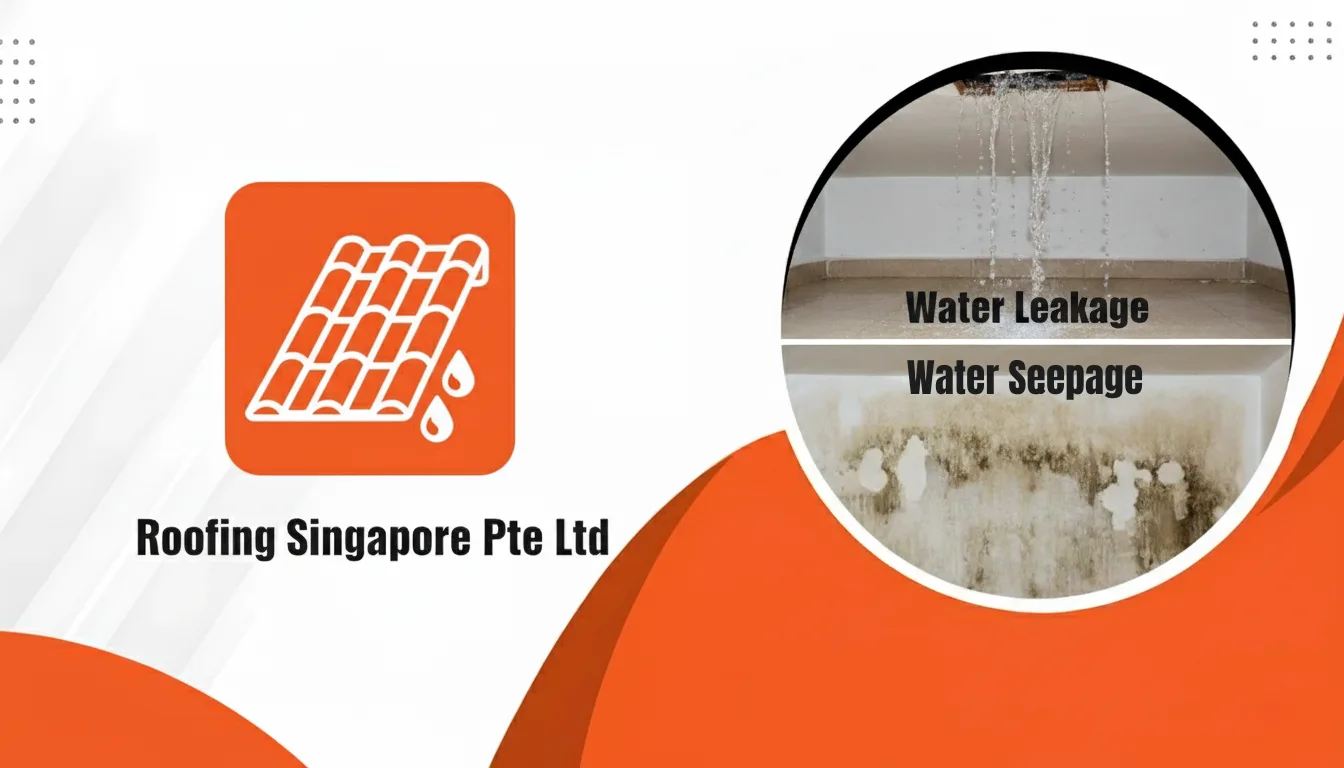
Water Leakage is the unintended release of water from a pressurized or self-contained system. This is usually caused by mechanical failures or the wear and tear of plumbing fixtures. Leaks can happen quickly or over time and are often related to faulty appliances, defective pipes, or damaged fixtures. Common signs include dripping sounds, visible water stains on ceilings and walls, and unexpectedly high water bills.
Water Seepage, on the other hand, is a slower, more insidious process, where water infiltrates a structure from external sources. Seepage is primarily driven by external hydrostatic pressure, poor drainage, or deteriorating building envelopes such as cracked foundations or porous walls. Unlike leakage, seepage is not a result of a contained water system malfunction but rather the slow movement of water through soil contact or capillary action in building materials. Understanding these definitions is critical for maintenance personnel, insurance assessors, and homeowners alike.
Causes of Water Leakage vs. Water Seepage
Water leakage is commonly the consequence of failures in the building’s internal water distribution systems. Several factors contribute to leakage, including:
- Corrosion and Deterioration: Aging pipes or fixtures become weakened over time, leading to cracks or corrosion that allow water to escape.
- Faulty Installations and Seals: Poor installation of fixtures like faucets, toilets, or water heaters, or degraded seals in these systems can result in leaks.
- High Water Pressure: Excessive water pressure stresses pipes and joints, contributing to gradual material failure or sudden bursts.
- Physical Damage or Impact: Mechanical impacts, accidents, or improper handling during renovations can damage pipes, causing them to leak.
- Appliance Failures: Leaks can stem from appliances such as washing machines, dishwashers, or refrigerators, typically due to worn-out hoses or defective connectors
Water seepage, in contrast, is driven by external environmental conditions and issues related to the building’s physical structure rather than its internal plumbing. Key causes include:
- Hydrostatic Pressure: When water in the soil exerts pressure against a building’s foundation, it can slowly push water into the structure, especially during periods of heavy rainfall or rapid snowmelt.
- Poor Drainage: Inadequate or blocked drainage systems around the property fail to divert water away from the building, increasing the risk of seepage.
- Cracks and Gaps: Small cracks in foundations, walls, or window frames provide pathways for water to slowly infiltrate through capillary action.
- Aging Building Materials: Deterioration in the building envelope, such as eroded waterproofing membranes or porous concrete, further exacerbates seepage issues.
Causes of Water Leakage vs. Water Seepage
Water issues in buildings usually come from two main sources: leakage and seepage. Leakage mostly happens around plumbing systems. Common spots include inside walls and ceilings, where hidden pipe leaks can cause stains, sagging, or structural damage; under appliances and fixtures like water heaters, washing machines, or toilets, which may lead to mold or electrical hazards; and exposed pipes, often in basements or crawl spaces.
Seepage, on the other hand, comes from outside moisture slowly entering the building. It often affects basements and foundations, traveling through cracks or porous concrete. Lower exterior walls and floors are also vulnerable, especially where water collects due to poor drainage. Less commonly, seepage can reach crawl spaces or attics when rainwater or moisture builds up over time and penetrates gaps in insulation or structure.
Understanding where water leakage and seepage can occur is key to protecting a building. Regular checks and timely repairs help avoid mold, structural issues, and costly fixes, keeping your home or building safe and dry. However, if you try to do it yourself, the problem could get worse. It’s better to call an expert waterproofing contractor to inspect and fix the issue.
Comparison of Causes for Water Leakage vs. Water Seepage
Water leakage and water seepage are common issues affecting buildings. This guide explains their differences to help you identify and manage these problems effectively.
Key Differences
| Factor | Water Leakage | Water Seepage |
|---|---|---|
| Primary Source | Broken pipes, faulty appliances | High groundwater levels, poor drainage |
| Main Causes | Wear and tear, installation errors | Soil saturation, improper sealing |
| Occurrence | Rapid and noticeable | Gradual and less noticeable |
| Common Locations | Basements, kitchen, bathrooms | Foundations, walls, ceilings |
| Detection Methods | Water meter checks, visual inspection | Moisture meters, damp patches |
| Prevention Strategies | Regular maintenance, prompt repairs | Proper landscaping, waterproofing |
Water issues in buildings are more common than many homeowners or property managers realize. Although water leakage and water seepage are often used interchangeably, they are two issues that need different solutions. Understanding the difference could help make timely repairs and avoid structural damage.
Flowchart of the Detection Process for Water Leakage and Seepage
Water leakage and seepage can be difficult to detect at first, but early identification is essential to prevent damage to floors, walls, foundations, and internal plumbing. This section outlines a step-by-step detection process that begins with noticing potential warning signs.
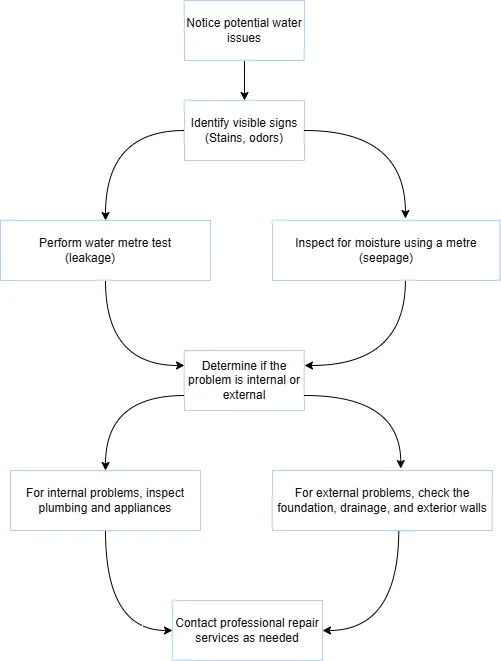
Diagram: Detection Process Flowchart for Differentiating Water Leakage and Water Seepage.
Preventative Measures for Mitigating Water Leakage and Seepage
Preventing water leakage and seepage is more effective and less disruptive than reacting after damage has occurred.
A primary foundation of prevention is regular inspections. Regular monitoring helps to detect plumbing system wear and early warning conditions in drainage components and surrounding building elements. Early detection of issues allows for remediation before they become leaks or concealed pathways.
In terms of risk mitigation, smart leak detectors can be installed in moisture-accumulating areas like plumbing lines, basements, or utility spaces. Such devices can support early detection, issuing alerts to occupants or facility managers when unusual levels of water are detected; this allows for more rapid response and reduced time of exposure.
For sites where groundwater or surface runoff may threaten foundation stability, improved drainage is critical. By channeling stormwater and keeping water from pooling around the building, drainage systems help decrease the external water burden that can induce seepage. Foundation waterproofing is used where necessary to create a barrier of protection against moisture intrusion.
Finally, in conditions where water accumulation cannot be fully eliminated, sump pump installations provide an additional layer of protection. Sump pumps help manage collected water and reduce hydrostatic pressure against foundation areas, thereby limiting seepage risk and potential long-term structural consequences.
Across all components, the central objective remains the same: timely repairs. The number also indicates that detection, through inspections, monitoring devices, or infrastructure performance, needs to be followed by prompt maintenance and remediation. Combined, these preventive strategies form a solid plan to minimize the likelihood and impact of potential water leakage and seepage problems.
Key Insights and Action Plan
Water leakage and water seepage are both damaging, but they come from different issues and require different solutions. Properly identifying the type of water intrusion soon enough is the best way to protect your property!
If the water damage is visible, then start by inspecting both your plumbing and exterior foundation areas. If the cause isn’t clear or if seepage from the foundation is estimated, call in a professional for a complete checkup. The right targeted methods can save you repair costs and prevent ongoing moisture damage, which can compromise the structural integrity of your home or structure.