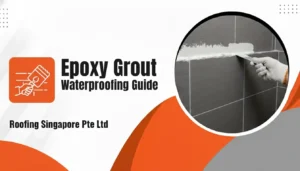
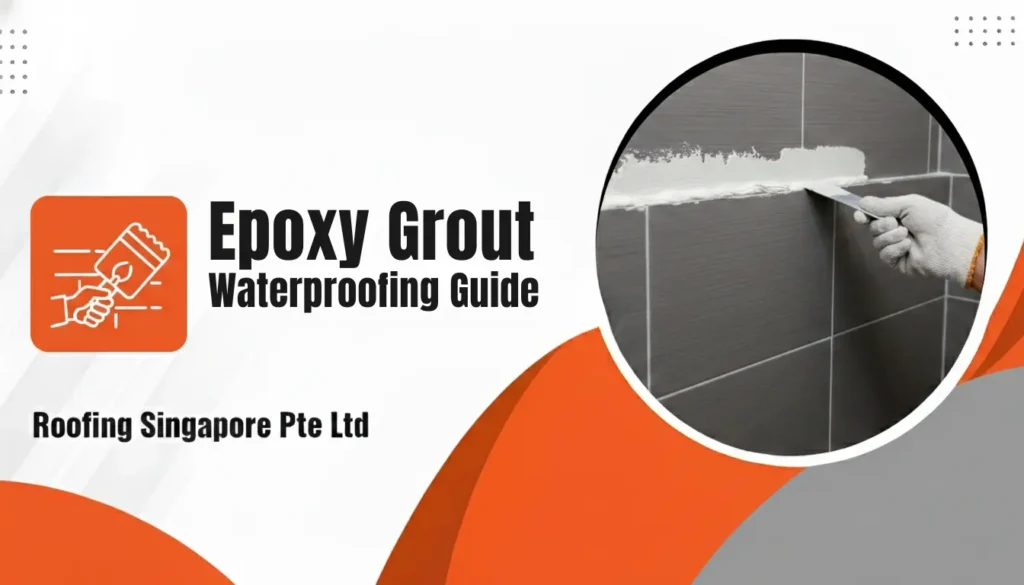
Epoxy grout in Singapore is a waterproof, mold-resistant tile joint material that locks out moisture completely. Unlike standard cement mixtures, this tough resin acts as a permanent shield for your home. You will commonly see it used in wet areas like bathroom floors, kitchen backsplashes, and outdoor balconies where water exposure is high.
You need this solution because our local climate makes tile maintenance difficult. Singapore experiences high humidity and frequent heavy rain, creating the perfect breeding ground for bathroom mold and tile gap leakage. By using an epoxy system, you get incredible benefits like total waterproofing, anti-mold protection, and long-lasting durability that survives daily wear and tear.
We created this ultimate guide to help you understand how this waterproofing system protects your HDB or condo. Read on to discover how epoxy grout works, when you should use it, realistic costs, and the exact steps to maintain mold-free tiles for decades.
What Is Epoxy Grout?
Epoxy grout is a high-performance, resin-based grout system used to fill and secure the spaces between your tiles. Unlike traditional building mixtures, this specialized compound cures into a permanent, plastic-like state. It provides a massive upgrade for homes dealing with Singapore’s persistent humidity.
This material works by creating an incredibly tough, non-porous seal across your tiled surfaces. Because it completely prevents water absorption, moisture cannot seep beneath your bathroom or kitchen floors. This tight barrier stops underlying leaks and starves mold of the damp environment it needs to grow.
The raw strength of this system comes from its unique chemical makeup. Professional installers mix an epoxy resin, a chemical hardener, and a fine filler powder right before application. This exact combination triggers a chemical reaction that locks the grout into an unbreakable bond.
Research by Anagnostopoulos, Sapidis & Papastergiadis (2016), published in Construction and Building Materials, confirmed that epoxy resin-modified cement grouts achieve compressive strengths significantly higher than standard cement grouts, with superior adhesion and chemical resistance properties that make them particularly suitable for high-moisture environments such as bathrooms and wet floors.
You can choose between two main varieties for your home: sanded and unsanded epoxy grout. Sanded epoxy provides extra structural stability for wider tile joints, often used on heavy-duty floors. Unsanded epoxy offers a smooth, scratch-free finish perfect for narrow gaps and delicate wall tiles.
When you compare it to standard options, epoxy clearly outperforms standard cement grout and silicone sealant. Cement easily absorbs dirty water and stains, while silicone shrinks and peels over time in wet areas. Ultimately, epoxy grout acts as both a premium tile finishing material and a comprehensive waterproofing system.
For a complete overview of waterproofing solutions, read our Complete Guide to Waterproofing Services in Singapore.
Advantages and Disadvantages of Epoxy Grout
Choosing the right grout requires an honest look at what you gain and what you pay. Epoxy grout offers incredible waterproofing benefits for your home, but it also demands a higher upfront investment and careful handling.
A study published in Construction and Building Materials (Wang & Liu, 2021) found that water-soluble epoxy resin-modified cement grouts demonstrate significantly lower permeability than conventional cement mixes, forming a dense, chemically bonded seal that effectively blocks moisture penetration in wet construction environments.
The advantages make this material a top choice for fighting Singapore’s humidity. It is entirely waterproof and mold-resistant, stopping bathroom leaks and ugly black fungus dead in their tracks. It easily repels stubborn stains from daily cooking grease or harsh bathroom soaps. Because of its tough resin base, you get an exceptionally long lifespan that often outlasts the floor tiles themselves.
However, you must consider a few notable disadvantages before starting your renovation. The premium materials result in a higher cost compared to standard cement mixtures. The fast-acting chemical hardener makes it notoriously difficult to apply before it turns rock solid. Because mistakes are nearly impossible to fix once the resin dries, this job absolutely requires skilled installation from an experienced professional.
Here is a quick look at how the benefits compare to the drawbacks.
Advantages | Disadvantages |
100% waterproof barrier | Higher material and labor cost |
Highly mold and mildew-resistant | Difficult and messy to apply |
Repels stains and dirt | Requires skilled professional installation |
Exceptionally long lifespan | Fast drying time leaves no room for error |
When Should You Use Epoxy Grout?
Use epoxy grout when you need a permanent, heavy-duty shield against water damage and deep stains. This waterproof tile joint filler excels in areas where traditional cement mixtures fail. Here is exactly where you should apply it in your home:
- Bathroom floors and walls: Constant showers and high humidity create the perfect breeding ground for black mold and hidden tile gap leakage. Epoxy grout solves this by creating an impenetrable, anti-mold barrier that completely stops water from seeping into your HDB or condo concrete.
- Kitchen backsplashes: Heavy daily cooking covers your wall joints in stubborn cooking grease, hot oil, and tough food stains. The non-porous resin surface repels these heavy stains entirely, allowing you to wipe away greasy messes with a simple cloth.
- Balcony tiles: Frequent Singapore thunderstorms and blistering sun cause standard outdoor grout to crack and let rainwater pool beneath the surface. Epoxy grout locks outdoor tiles firmly in place, permanently sealing out heavy rain and preventing costly structural leaks.
- Swimming pool areas: Harsh pool chemicals and constant underwater submersion quickly eat away at regular cement grout, causing tiles to pop loose. The highly chemical-resistant epoxy system holds strong completely underwater, keeping your tiles perfectly secured.
- Tile joints with frequent cleaning: Scrubbing heavy-traffic floors or busy entryways with strong detergents slowly dissolves standard cement joints over time. Epoxy grout easily withstands aggressive daily washing and sweeping, maintaining its waterproof seal without wearing down.
How to Apply Epoxy Grout
Applying this advanced waterproofing system demands precision and speed. The chemical hardener sets quickly, leaving zero room for error. Follow these exact steps to ensure your HDB or condo stays completely mold-free and protected from water damage.
1. Prepare tile joints
Proper joint preparation is essential for epoxy grout to work. You must completely clean out all old debris, dust, and moisture from the tile gaps, then vacuum and let the substrate dry fully. This clean, dry surface allows the epoxy resin to bond permanently to the tiles. If you skip this step, adhesion will be weak, and water can collect in hidden pockets under the grout, leading to leaks and black mold that eventually break down your waterproofing system.
2. Mix epoxy components
For epoxy grout to cure properly, you must mix the resin, chemical hardener, and filler powder in exactly the manufacturer‑specified ratios and stir slowly to avoid air bubbles. This precise mix triggers a chemical reaction that forms a solid, non‑porous barrier between tiles. If you skip or mess up the ratios, the mixture stays sticky and uncured and will need costly removal instead of hardening into a durable seal.
3. Apply grout using a float
To apply epoxy grout correctly, scoop the mixture with a specialized hard rubber float and spread it diagonally across the tiles to fully pack the gaps. This diagonal motion ensures even, deep filling without pulling material back out. Skipping this step by using standard tools or wiping parallel to joints leaves shallow areas that compromise waterproofing and increase leak risk.
4. Press into joints properly
Apply firm, heavy downward pressure with the rubber float to pack epoxy grout deep into every crevice. This eliminates hidden air pockets and forms a solid, continuous seal from the substrate up through the tile joints. If skipped, trapped air voids can collapse under foot traffic, leading to cracks and water infiltration that undermine waterproofing.
5. Remove excess grout
Hold the rubber float at a 90‑degree angle and immediately scrape off excess epoxy from the tile faces after filling the joints. Doing this while the resin is still wet prevents a very difficult cleanup later; if skipped, hardened lumps of resin will permanently mar the tile surface and ruin the floor’s finish.
6. Clean the surface before curing
After filling tile joints with epoxy grout, you must clean the tile surface before it cures. You should gently scrub the tiles with a damp epoxy sponge and approved cleaning wash, wiping diagonally across the joints to lift off residue. This step removes an invisible sticky haze and ensures smooth, uniform joint lines; if skipped, a permanent cloudy film will form on the tiles, attracting dirt and making them look constantly dirty.
7. Final inspection
Inspect every tile joint carefully for tiny pinholes, low spots, or leftover chemical haze while the epoxy is still workable. Spotting these flaws early ensures a fully sealed, mold‑free finish and prevents water from entering through unseen gaps later. If skipped, those pinholes become permanent weak points that gradually compromise the entire waterproofing system and can lead to leaks and mold over time.
If you’re experiencing tile leaks or mold issues, contact our waterproofing specialists for a free onsite inspection.
How to Maintain Epoxy Grout
Maintaining epoxy grout guarantees your bathroom remains a waterproof, mold-free zone for decades. Because Singapore’s high humidity constantly threatens your HDB or condo with black fungus, simple upkeep is vital for long-term hygiene and leakage control.
Clean your tile joints regularly using a mild liquid detergent and warm water. You do not need heavy scrubbing to keep the non-porous surface pristine. A simple weekly wipe with a soft mop or sponge easily removes surface dirt, ensuring stubborn mold never gets the environment it needs to grow.
Avoid using harsh acidic cleaners or industrial bleach on your tile joints. While epoxy grout resists most household spills, highly aggressive chemicals can slowly dull the beautiful resin finish over many years. Stick to gentle, pH-neutral floor cleaners to protect the integrity of your waterproofing system.
Inspect your bathroom and kitchen tile joints periodically to catch microscopic issues early. Look closely around heavy water areas like shower drains, sink edges, and wall corners. Spotting tiny structural shifts in your floor early prevents hidden water from bypassing your waterproof barrier and causing damage.
Reseal the grout lines only in extremely rare cases of heavy physical damage or building settlement. This premium resin system is famously durable and completely skips the annual sealing that standard cement grout desperately needs. However, patching a rare physical crack immediately locks out moisture and guarantees permanent leakage control.
Cost in Singapore
Epoxy grout in Singapore generally depends on several factors, such as the scope of the work, time, and labor. While it costs more upfront than standard cement, this anti-mold solution saves you money on future water damage repairs.
Several factors determine your final installation bill, primarily your total area size and specific tile type. Larger HDB living rooms lower the per-square-foot rate, while small condo bathrooms often carry minimum setup fees. Additionally, smaller mosaic tiles require significantly more epoxy mixture to seal the numerous joint lines compared to large-format tiles.
Labor skill and site accessibility also heavily influence what you pay for this leakage control system. Specialized contractors charge higher rates because working with fast-drying waterproof resin demands precise expertise. If your bathroom has tight corners, hidden pipes, or restricted access, the installer requires more time to ensure a flawless, mold-free seal.
Cheap work ultimately leads to poor durability and expensive hidden leaks. If a contractor offers unusually low prices, they are likely cutting corners, mixing improper ratios, or skipping crucial preparation steps. Always invest in skilled professionals to guarantee your epoxy grout acts as a permanent, impenetrable waterproofing barrier against Singapore’s heavy moisture.
Lifespan
Epoxy grout in Singapore typically lasts between 10 and 20 years without needing replacement. A study on the mechanical and thermal characterisation of epoxy grouts (Shamsuddoha et al., 2013, Materials & Design) demonstrated that epoxy grout systems maintain structural integrity and strong adhesion even under prolonged thermal cycling and mechanical stress, supporting their reputation for lasting 10 to 20 years in demanding wet environments.
This incredible lifespan makes it a permanent waterproofing solution for your HDB or condo. Because the tough resin does not degrade easily, you enjoy decades of reliable mold prevention and absolute leakage control in your wet areas.
Heavy daily use directly affects how long your tile joints remain intact. High-traffic areas, such as busy family bathroom floors or frequently washed kitchen floors, experience more physical wear. However, even under constant heavy showers and foot traffic, this anti-mold barrier holds strong far longer than traditional cement.
Your regular cleaning habits also play a massive role in maximizing this material’s lifespan. Wiping down your tile joints with mild, pH-neutral detergents preserves the tough chemical seal. Conversely, aggressively scrubbing the grout lines with stiff metal brushes or harsh industrial bleach will slowly strip away the waterproof surface over time.
Finally, professional installation quality determines the true longevity of your leakage control system. If an expert installer mixes the chemical hardener perfectly and packs the joints deep, your floor becomes an unbroken fortress. Poor DIY application leaves hidden air pockets that eventually crack, destroying your expensive waterproof defense.
FAQs
Is epoxy grout waterproof?
Yes, epoxy grout in Singapore is 100% waterproof. Unlike porous cement, this resin-based system creates an impenetrable seal between your tiles. It completely blocks moisture, stopping bathroom mold growth and preventing dangerous tile gap leakage in wet areas like showers and kitchens.
Is epoxy grout better than cement grout?
Absolutely. Cement grout absorbs water, stains easily, and requires constant scrubbing to prevent black fungus. Epoxy grout provides a permanent waterproofing solution. It creates a highly durable, anti-mold barrier that repels water, resists harsh chemicals, and keeps your floors incredibly clean.
Can epoxy grout crack?
Epoxy grout is highly flexible and rarely cracks under normal conditions. However, if your building experiences severe structural shifting or the installer leaves hidden air pockets during application, cracks can form. Proper professional installation ensures your waterproof barrier remains completely intact.
Is it suitable for HDB bathrooms?
Yes, it is the perfect waterproofing solution for HDB bathrooms. High humidity and frequent showers often cause standard grout to fail, leading to leaks into the unit below. Epoxy grout prevents this tile gap leakage, keeping your HDB bathroom permanently mold-free.
How long does it last?
When installed correctly, epoxy grout easily lasts 10 to 20 years. Because the tough chemical resin withstands daily wear, heavy water exposure, and frequent washing, it often outlasts the floor tiles themselves. You get decades of reliable mold prevention and leakage control.
Can I DIY epoxy grout?
We strongly advise against a DIY approach. The chemical hardener sets incredibly fast, leaving zero room for mistakes. If you apply it incorrectly, the resin ruins your tiles and compromises your waterproofing. Always hire an experienced professional to guarantee a flawless finish.