
Premium Turbine Ventilator for Efficient Roof Ventilation
Keep your roof cool with our cordless turbine ventilators in Singapore. Remove excess heat and moisture, improve airflow, and boost indoor comfort. Contact us for professional installation.
Projects
Our Turbine Ventilator Projects
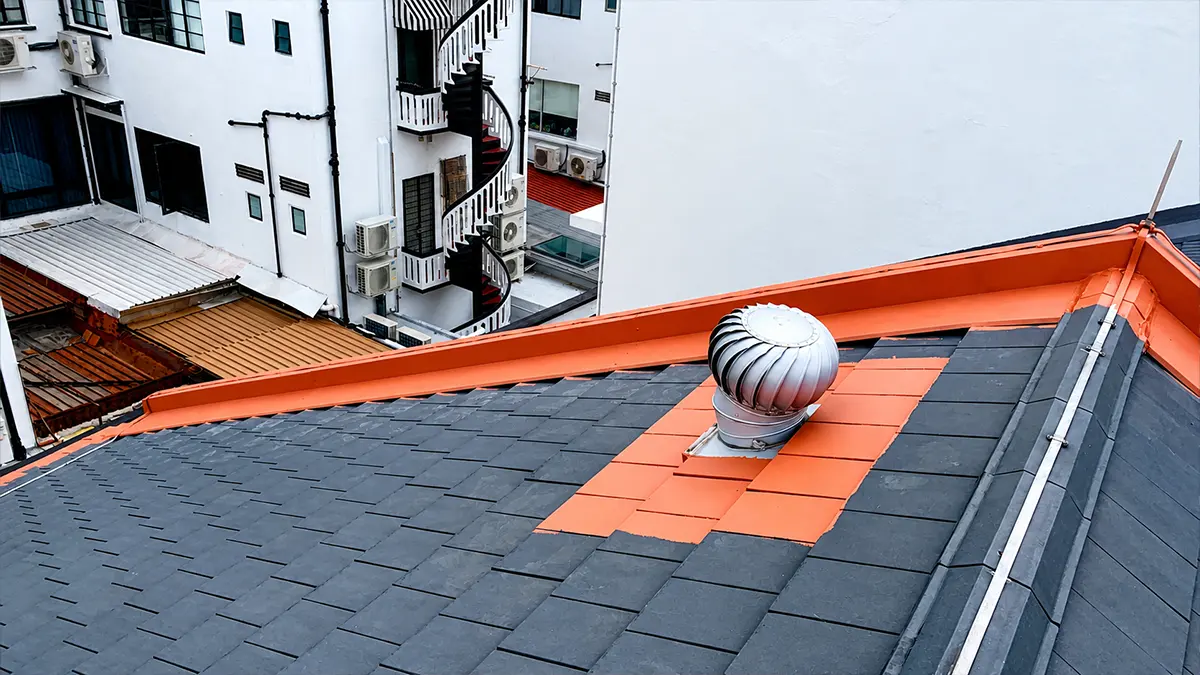
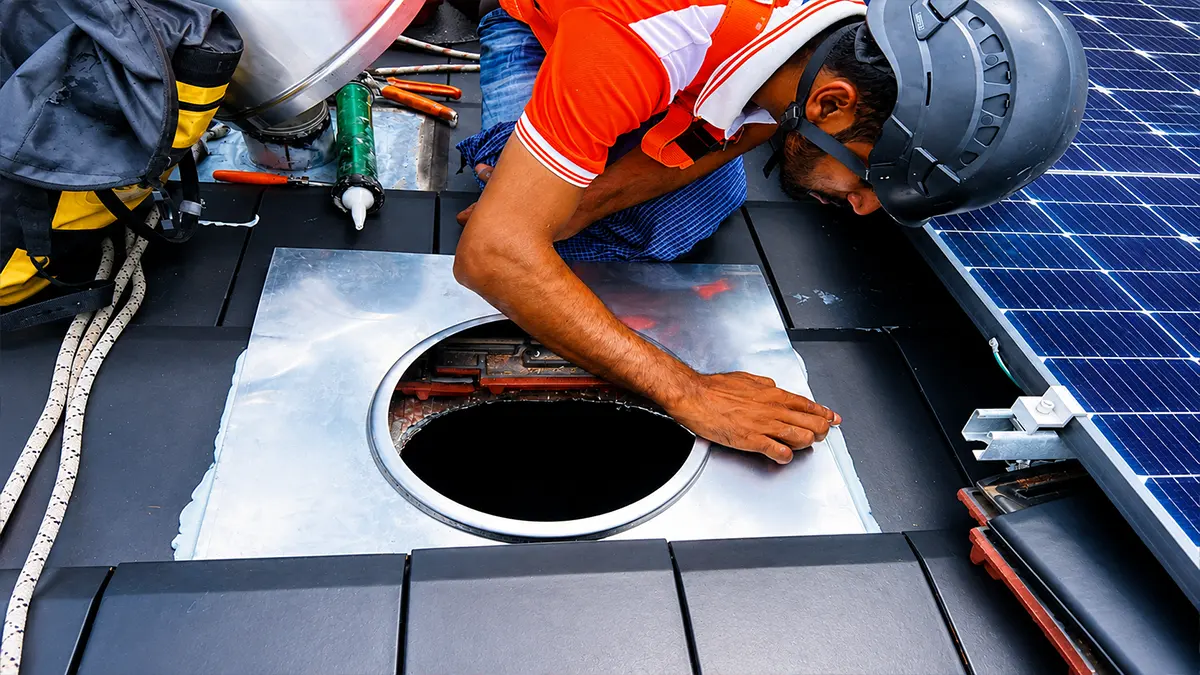
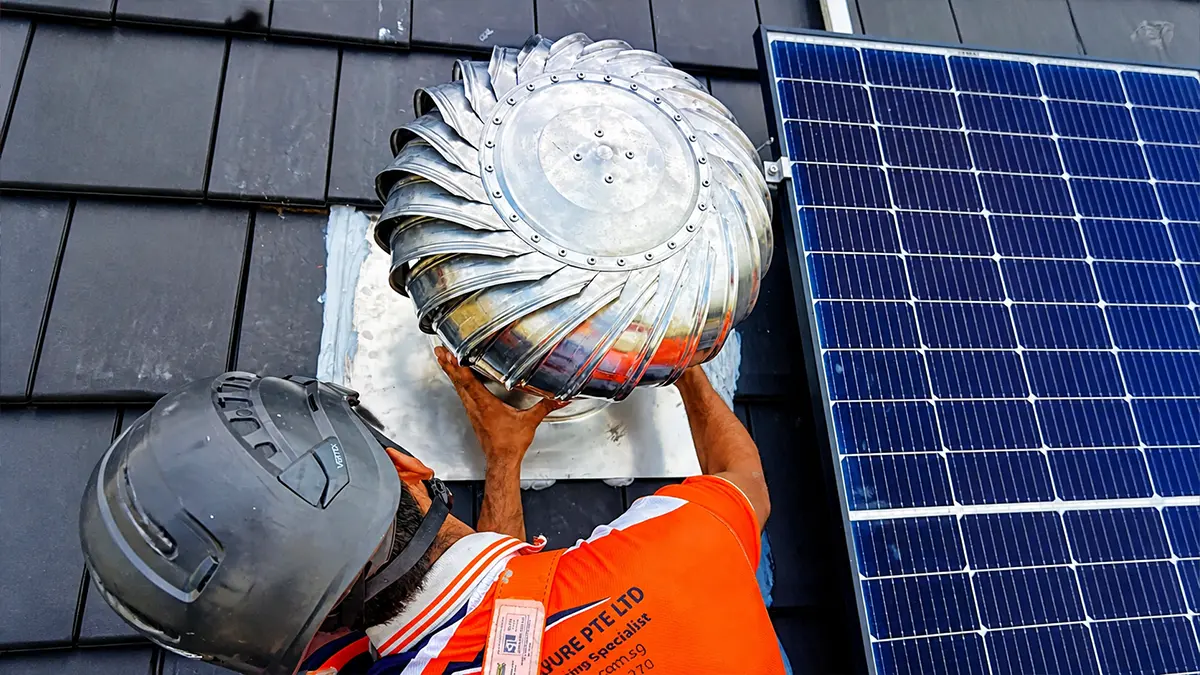
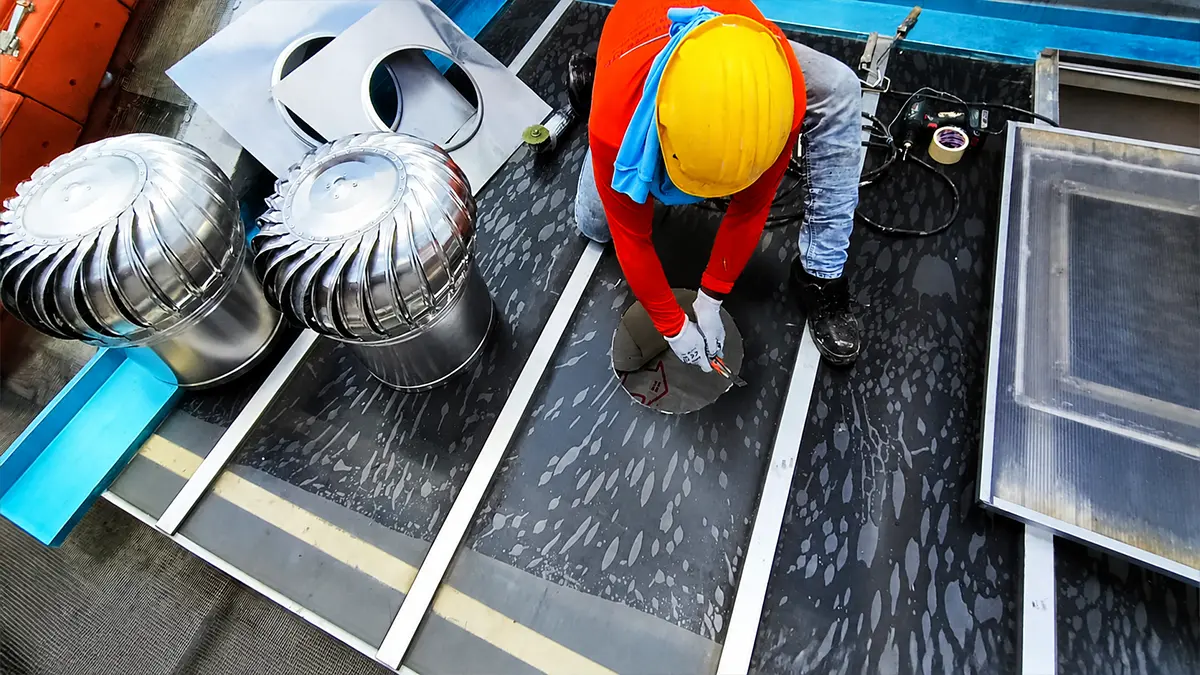
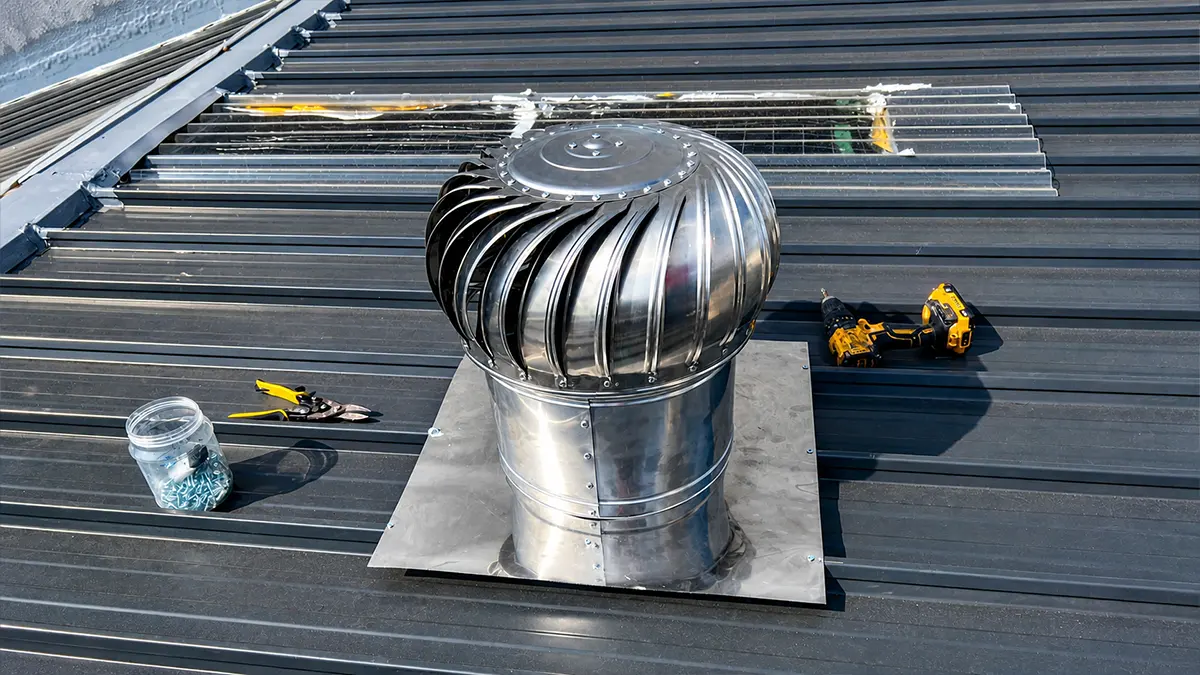
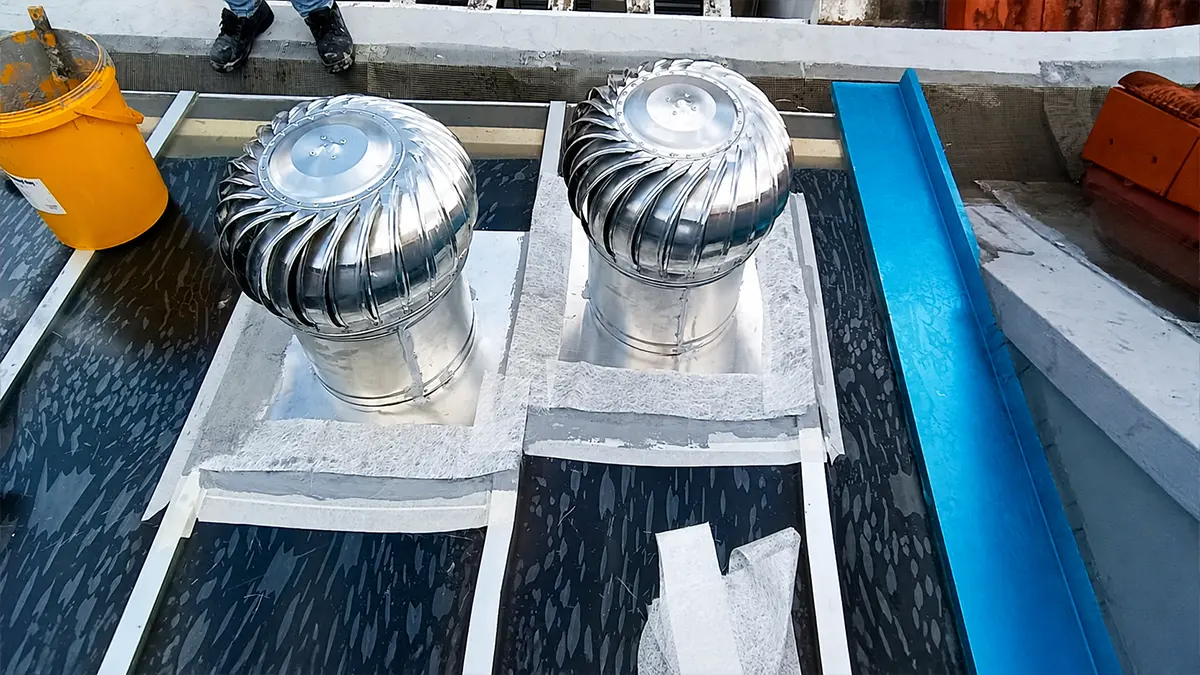
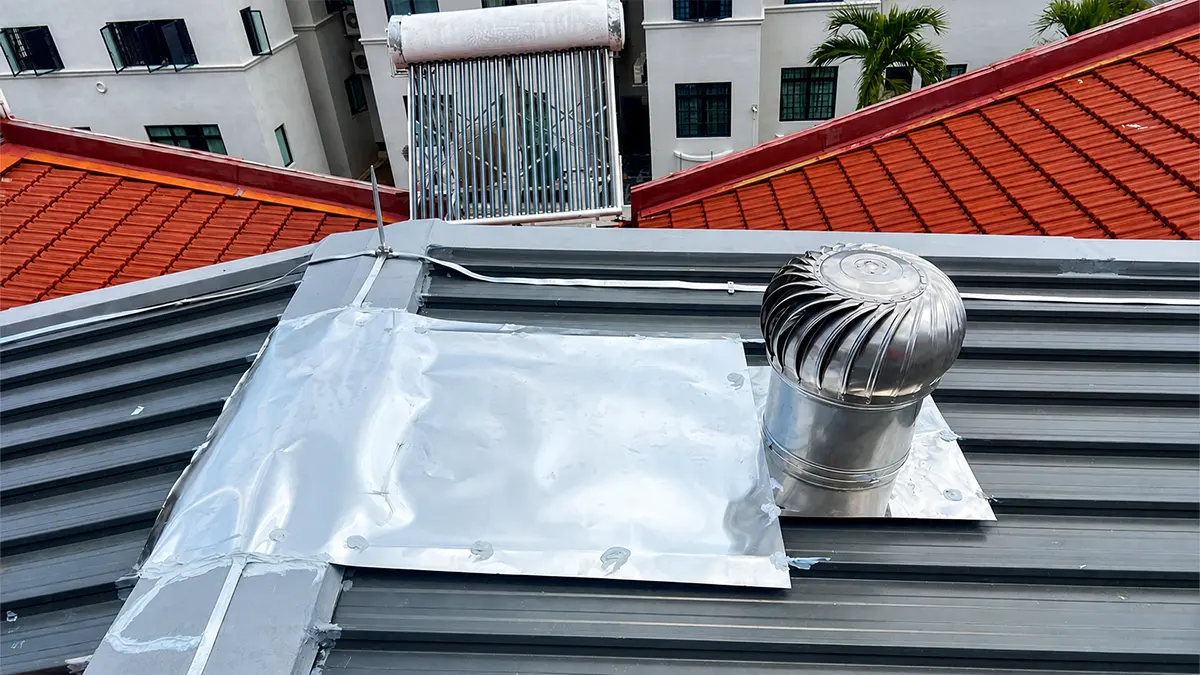
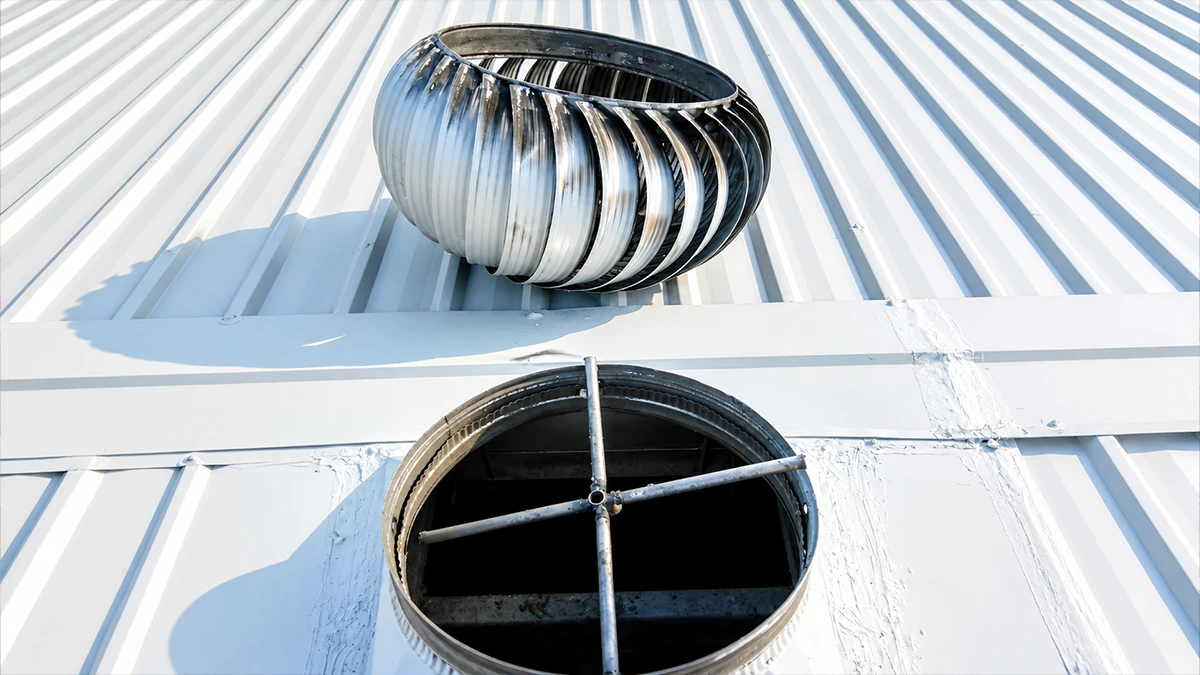
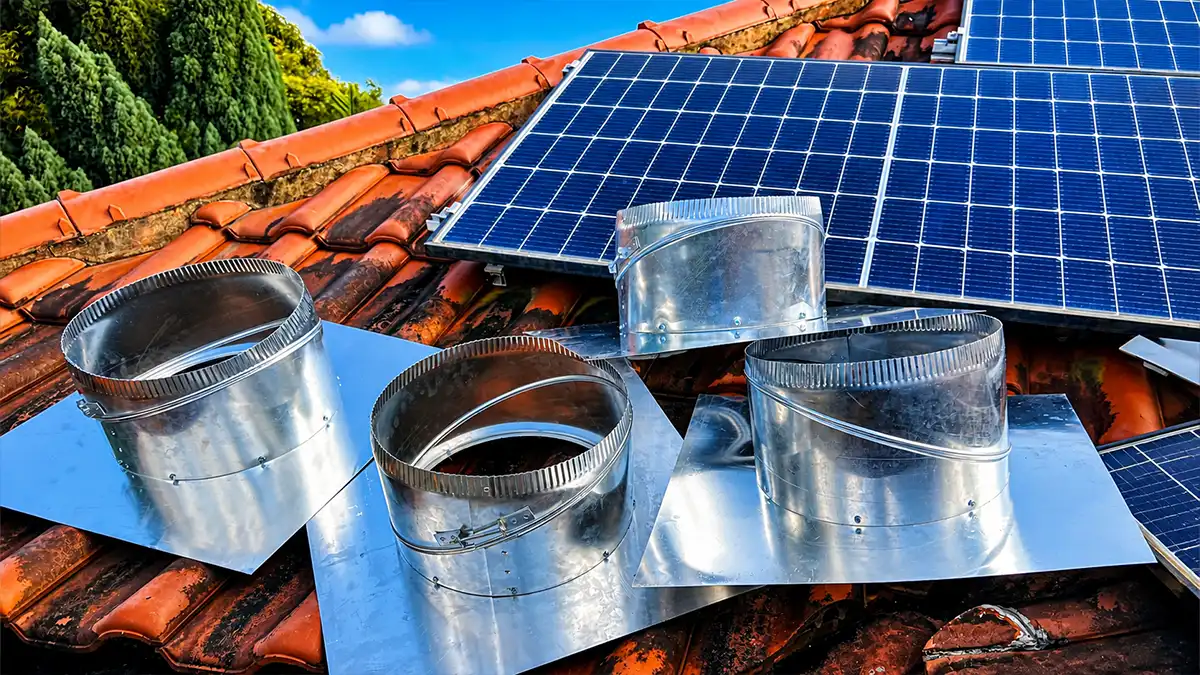
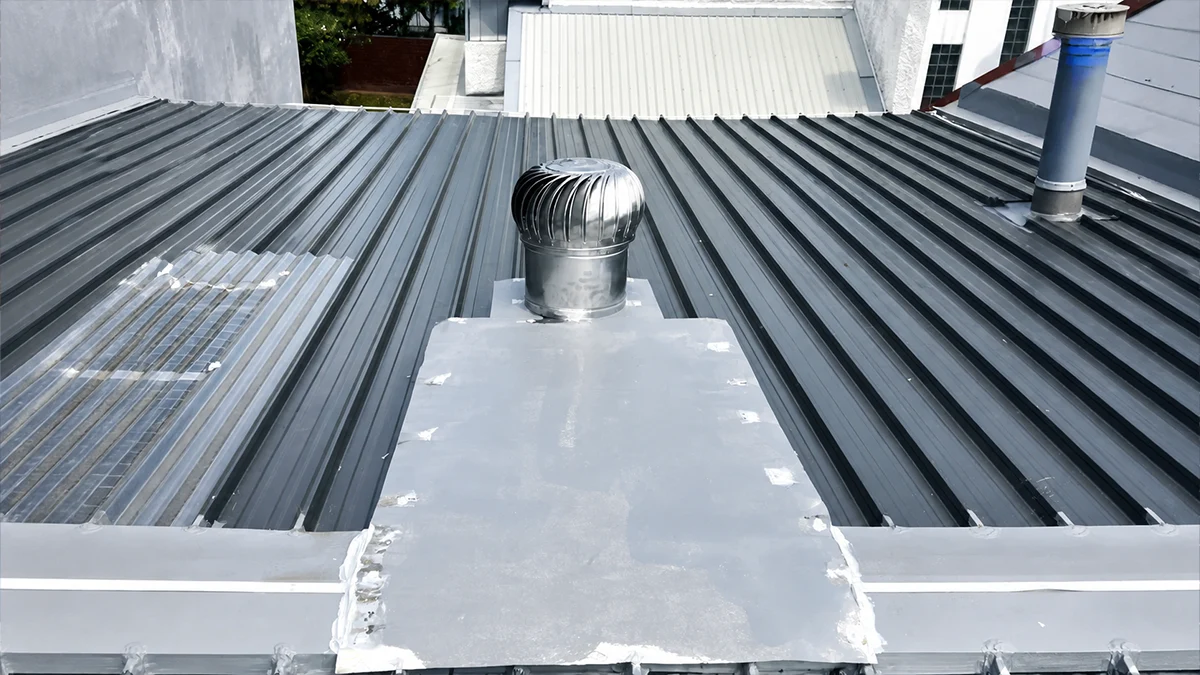
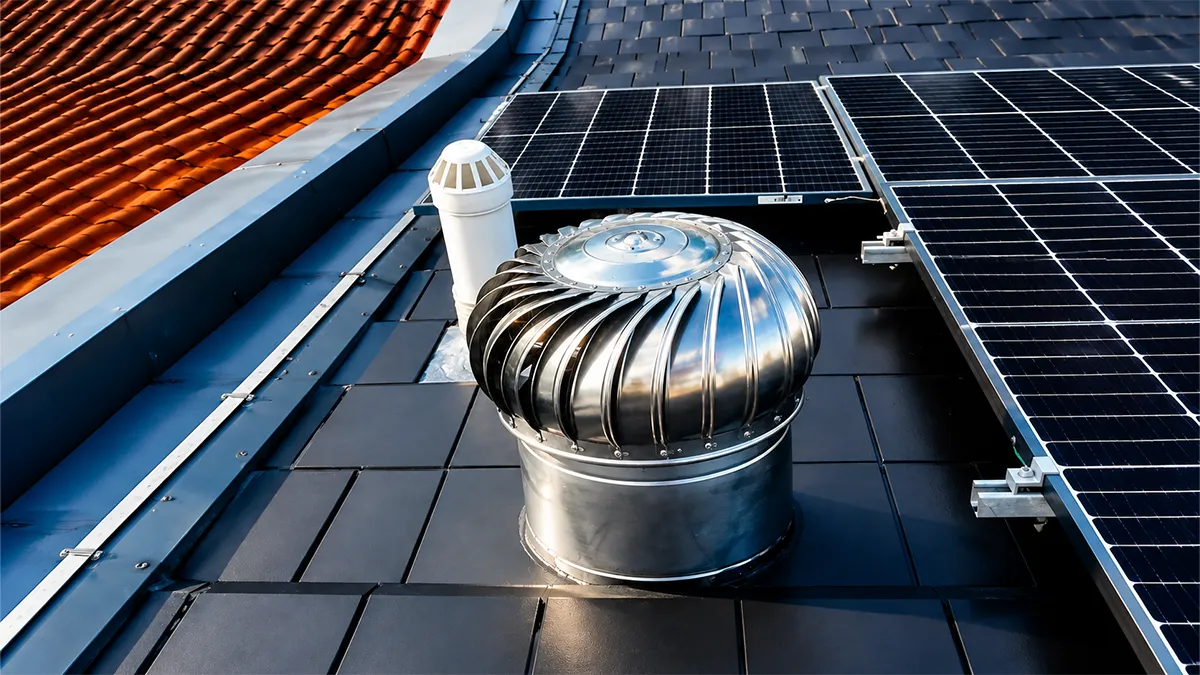
Our turbine ventilator Installation projects show our skills and dedication. Our specialists deliver strong, high-quality results that make our clients happy. Our work improves both the building’s strength and appearance across Singapore.
Our Services
Need Any Roofing help?
Ask Your Question
Our Services
Need Any Roofing help?
Ask Your Question
Product Overview
A rooftop-mounted extractor (no-power roof turbine ventilator) uses air-free convection driven by natural wind and the interior-exterior temperature difference to rotate a turbine and use centrifugal force and negative pressure to discharge stale, hot interior air. It brings in fresh air; thus, it achieves the goal of cleaning the air.
| Machine Number | Outlet Diameter (mm) | Height (mm) | Leaves | Turbine Diameter (mm) | Wind Speed (m/s) | Exhaust Volume |
|---|---|---|---|---|---|---|
| 12" | 300 | 350 | 20 | 340 | 3.4 | 23 |
| 14" | 360 | 580 | 20 | 460 | 3.4 | 33 |
| 20" | 500 | 500 | 25 | 620 | 3.4 | 42 |
| 20" | 500 | 720 | 25 | 610 | 3.4 | 42 |
| 24" | 600 | 630 | 29 | 720 | 3.4 | 65 |
| 27" | 680 | 950 | 36 | 880 | 3.4 | 75 |
How It Works
The turbine ventilator operates based on two natural forces.
1. Wind Power (Horizontal Wind)
Wind rotates the turbine blades
Faster wind = stronger air extraction
2. Hot Air Rise (Thermal Effect)
Hot air rises to the roof apex
The turbine creates suction and removes it
Result:
Continuous air circulation
Lower indoor temperature
Improved comfort
Key Features
High-Grade Material
1. 304 Stainless Steel / Aluminum options
2. Corrosion-resistant & weatherproof
Silent & Smooth Operation
1. Dual sealed ball bearings
2. No noise during rotation
Zero Maintenance
1. Permanently lubricated components
2. No servicing required
Leak-Proof Installation
1. Precision roof cutting
2. Proper flashing + sealant system
Details about Turbine Ventilator
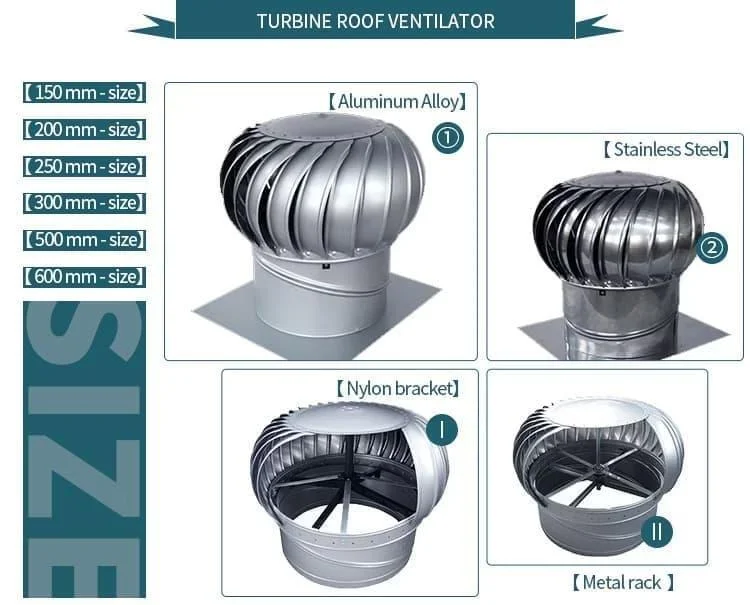
A turbine ventilator is a roof-mounted ventilation system that helps remove hot, humid air trapped under the roof. Typically, it rotates with the help of wind and can operate without electricity.
| Features | Details |
|---|---|
| Bearings | Sealed ZZ Bearings |
| Operation | Wind-driven |
| Noise Level | Silent |
| Maintenance | None |
| Material | 304 / 201 Stainless Steel |
| Temperature Resistance | Up to 450°C |
| Sizes Available | 150mm – 600mm |
| Large Model | 500mm (24” Industrial Use) |
Why Roof Ventilation Is Important
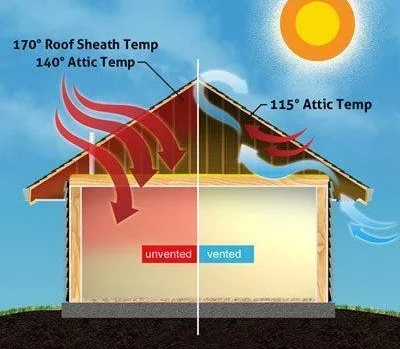
Without Proper Ventilation
- Attic temperature can reach 50–60°C
- Heat transfers into living spaces
- Increased discomfort & energy bills
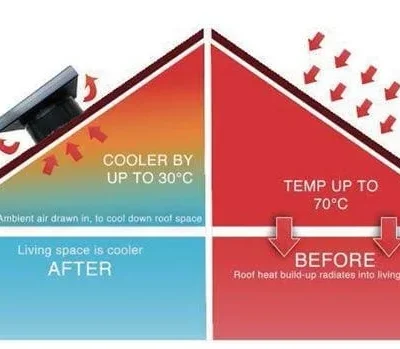
With Turbine Ventilator
- Removes trapped heat
- Improves airflow
- Enhances indoor comfort
Why Choose Us for Turbine Ventilator
We know you’ve got options when it comes to pitch tiles. So why pick us? Well, let us count the ways.
Local Knowledge
Quality Installation
Professional Service
Frequently Asked Questions
Each project combines advanced techniques, premium materials, and expert attention to detail to deliver a roof that not only protects your property but also enhances its value and aesthetic appeal.
Yes. Because of the thermal effect (the natural rising movement of hot air), the turbine works without strong wind. Even a light breeze turns the turbine, increasing the airflow and reducing trapped heat under the roof.
Turbine ventilators are designed to prevent rainwater from entering, but their proper installation is crucial. During installation, cut the roof precisely and follow appropriate flashing and sealing methods. When installed correctly, rainwater cannot enter the unit.
Absolutely not, because the turbine ventilator spins naturally and doesn't rely on a motor; it operates almost silently. When the turbine ventilator is running, it makes a sound slightly louder than the faint whisper of moving air.
No. A turbine ventilator runs only on wind and naturally rising heat. Because it uses no electrical power, it provides good ventilation without consuming energy and improves operating efficiency.
The primary function of a turbine ventilator is to exhaust trapped hot and humid air, improve natural airflow, reduce indoor temperatures, and ensure a comfortable environment.
Turbine ventilators require virtually no regular maintenance. Designed for long-term, high-performance use, these units feature permanently lubricated components and sealed bearings. However, it is advisable to inspect the roof seal and the mounting area periodically.
Yes. Even a light breeze + hot air movement keeps it spinning.
No. It is designed to prevent water ingress.
No. It operates silently due to sealed bearings.
Depends on the roof size. Contact us for a free assessment.