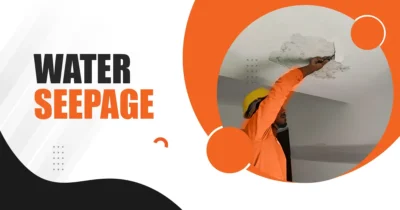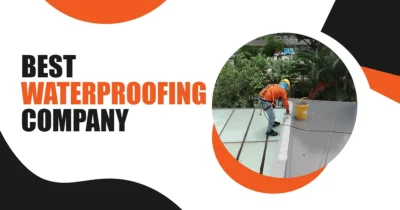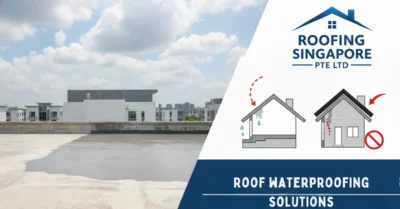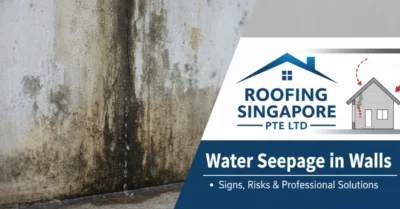

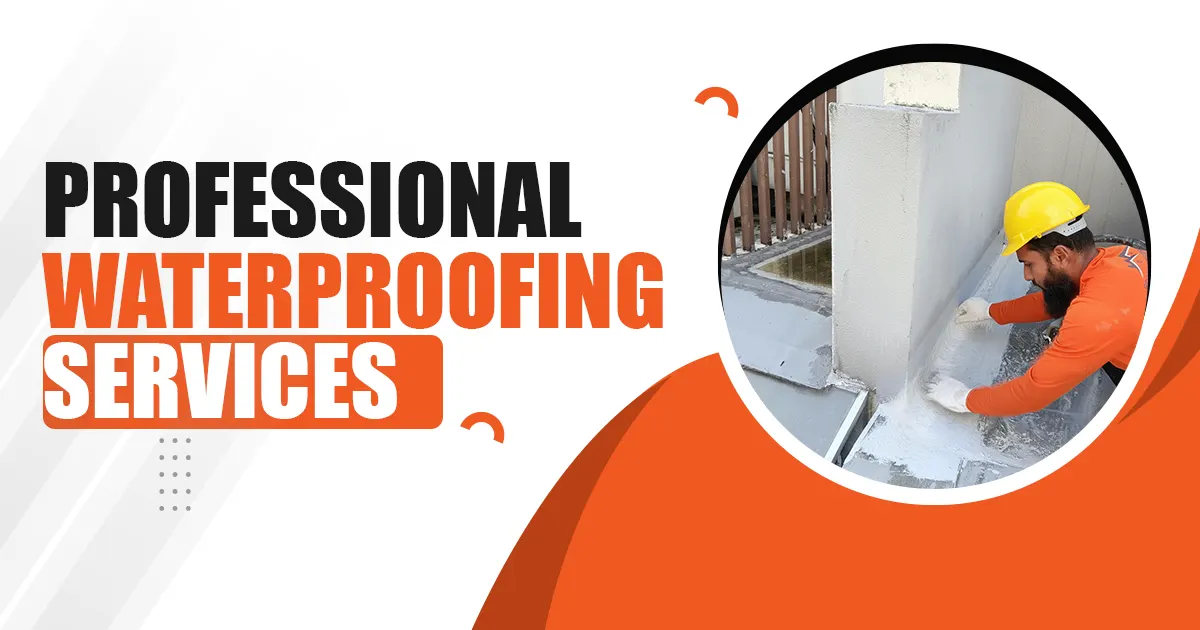
Waterproofing services in Singapore are essential for homeowners and business owners, as the tropical climate, frequent heavy rains, and high humidity can cause significant water damage. Without proper waterproofing, properties can suffer from leaks, mould growth, and structural damage, which can be costly to repair. As a city-state with one of the highest annual rainfall rates, ensuring your property is protected from water seepage is more important than ever.
Types of Waterproofing Services Offered in Singapore
Waterproofing is a critical service in Singapore due to the heavy rains, high humidity, and occasional flooding. Whether you’re dealing with roof leaks or water seepage in your basement, several specialized waterproofing services can protect your home or business from water damage. As a waterproofing expert with over 20 years of experience, let’s take a look at the different types of waterproofing services offered in Singapore.
- Roof Waterproofing
One of the most important aspects of waterproofing in Singapore is roof waterproofing. Roofs are constantly exposed to the elements, and heavy rainfalls can cause significant damage if not properly protected. Roof waterproofing prevents leaks and extends your roof’s lifespan. Common methods include membrane systems, which create a durable, waterproof barrier, and liquid-applied coatings, which form seamless layers over the roof’s surface. Both methods are highly effective in keeping your home dry and safe during the monsoon season. In fact, studies by the Building and Construction Authority (BCA) show that properly waterproofed roofs experience fewer leaks and water damage.
- Basement Waterproofing
Singapore basements are particularly prone to water ingress due to the city-state’s ever-present rainfall and underground water tables. Basements are vulnerable to flooding and seepage, which can weaken foundations and cause long-term structural damage without proper waterproofing. Basement waterproofing involves sump pumps, drainage systems, and even waterproof coatings. Such products ensure water is redirected away from the foundation to prevent damage and maintain the building’s stability.
- Wall Waterproofing
Waterproofing walls is essential to protect your property from water ingress. In Singapore, walls, especially those facing the exterior, are at high risk of water penetration due to the constant humidity and rainfall. Waterproofing wall treatments include damp-proofing coatings, which act as a barrier to moisture, and waterproof paints that help seal the surface. These applications prevent water from seeping into your walls, which can lead to mould growth, staining, and even the deterioration of building materials over time.
- Balcony and Terrace Waterproofing
Balconies and terraces are always exposed to the elements, making them highly susceptible to water damage. Waterproofing these areas is essential to prevent leaks that can cause extensive damage to the exterior and interior of the property. Solutions like epoxy coatings, liquid membranes, and sheet membranes are often used to waterproof balconies and terraces. These treatments are designed to withstand harsh weather conditions and protect these spaces from water infiltration.
- Swimming Pool Waterproofing
For those with swimming pools, waterproofing is essential to prevent leaks and extend the lifespan of the pool structure. Pool waterproofing techniques include the use of specialized coatings and sealants that prevent water from escaping the pool. These treatments not only protect the pool but also reduce the risk of water damage to surrounding areas. A good waterproofing contractor will ensure that your pool remains leak-free, saving you from the costly repairs that can result from unnoticed leaks.
Each of these waterproofing services plays a vital role in maintaining the safety and durability of your property in Singapore’s unique climate. Whether you need roof waterproofing contractors, a waterproofing specialist Singapore, or a reliable waterproofing company in Singapore, choosing the right contractor can make all the difference in protecting your home or business from water damage.
Common Waterproofing Materials Used by Contractors
When it comes to waterproofing your property in Singapore, the right materials are key to ensuring long-lasting protection. As a waterproofing expert with over 20 years of experience, I’ve seen a range of materials used to combat water seepage and prevent damage from the city’s tropical climate. Here are some of the most common waterproofing materials used by contractors in Singapore:
- Cementitious Waterproofing: Cementitious waterproofing is one of the most commonly used materials for basements and walls. It’s a reliable and cost-effective solution that creates a durable barrier against water. Contractors typically mix cement-based materials with specific chemicals to enhance their waterproofing properties. This method is especially effective for preventing water seepage in areas like basements and retaining walls, where moisture can accumulate. The Building and Construction Authority (BCA) notes that cementitious waterproofing is ideal for areas exposed to constant ground moisture, such as underground structures in Singapore.
- Polyurethane Coatings: Polyurethane coatings are a great option for waterproofing roofs because they are very flexible and durable. These coatings create a unified, elastic skin that moves with the roof and stretches to avoid cracking and leaks from temperature changes. Polyurethane is ideal for waterproofing roofs in Singapore due to the heavy rainfall year-round. And it’s resistant to UV rays, meaning it won’t wear down in the harsh exposure of sunlight. Most waterproofing contractors in Singapore use this material for roof sealing to prevent long-term water damage.
- Bituminous Membranes: Bituminous membranes are widely used for waterproofing roofs, foundations, and walls. These membranes consist of asphalt and are often reinforced with fibreglass or polyester for added strength. Bituminous membranes are especially popular for flat roofs and areas that are prone to water pooling. They offer excellent waterproofing and have a high resistance to extreme weather conditions, including the heavy rainfall typical in Singapore. Studies from the Singapore Institute of Architects (SIA) show that bituminous membranes are highly effective in preventing water penetration in commercial buildings due to their robust nature.
- EPDM Rubber Membranes: EPDM (Ethylene Propylene Diene Monomer) rubber membranes are known for their durability and long-lasting performance. These membranes are highly resistant to water, ozone, and UV rays, making them an ideal choice for roofs in Singapore. Contractors prefer EPDM for its ability to withstand the city’s humid climate and heavy rains. EPDM is also easy to install and maintain, ensuring that your roof remains protected from water damage for years to come.
- Liquid Waterproofing Membrane: Liquid waterproofing membranes have gained popularity in recent years due to their seamless application and flexibility. These liquid coatings are applied directly onto surfaces, forming a continuous, watertight layer that effectively prevents water ingress. Liquid membranes are particularly useful for areas with intricate shapes, such as balconies, terraces, and roof penetrations, where other materials might be difficult to apply. They’re also great for creating custom waterproofing solutions, ensuring every corner is fully sealed. A study by the Singapore Civil Defence Force (SCDF) highlights the growing use of liquid membranes in residential and commercial properties as an efficient waterproofing method that provides complete coverage.
Each of these materials has its own strengths, depending on the application and the level of protection required. Whether you’re hiring a waterproofing contractor for roof protection or need a water seepage contractor for your basement, choosing the right material is essential for long-term durability and water resistance.
Waterproofing Process: Step-by-Step Guide
When it comes to waterproofing your property in Singapore, the process involves several essential steps to ensure that your home or business remains safe from water damage. With over 20 years of industry experience, I can tell you that a well-executed waterproofing project requires precision, attention to detail, and the right techniques. Here’s a step-by-step guide to the waterproofing process:
- Assessment and Inspection
The first step in any waterproofing project is a thorough inspection of the affected areas. Whether you’re dealing with roof leaks, basement seepage, or wall infiltration, it’s crucial to identify the root cause of the problem. Waterproofing contractors will assess the severity of the issue and examine key areas, such as the roof, foundation, and walls, for cracks or other signs of damage. As the Building and Construction Authority (BCA) suggests, proper assessment and identifying water entry points are critical to ensure the most effective waterproofing solution is chosen.
- Surface Preparation
Once the inspection is complete, the next step is surface preparation. This is a crucial phase that ensures the waterproofing solution adheres properly and works effectively. The surfaces must be clean and free of debris, dust, or any old waterproofing materials. In some cases, contractors will use pressure washers to clean the surfaces, especially if there’s mould or dirt buildup. To improve adhesion, surfaces are often primed before applying waterproofing materials. This preparation step not only ensures a smooth application but also helps prevent future issues caused by poor adhesion or surface residue.
- Application of Waterproofing Solution
Now comes the application of the waterproofing solution itself. Depending on the area being treated, the material could be a membrane, coating, or liquid sealant. For example, roof waterproofing may involve bituminous membranes or polyurethane coatings, while basements may benefit from cementitious waterproofing or liquid-applied solutions. The application needs to be done consistently to avoid gaps or uneven layers. Skilled waterproofing contractors ensure the material is evenly distributed, effectively creating a seamless barrier that prevents water from entering. This step requires precision to ensure that every crack, seam, and joint is properly sealed.
- Curing and Final Inspection
After applying the waterproofing solution, the next process is curing. This gives the material time to set up and bond to the surface so it performs at its best. Curing time in Singapore will depend on the material used and environmental conditions. Liquid coatings, for example, can take hours to cure completely. After curing is completed, final inspection takes place. An inspection is very important to identify any missed spots or areas that need more attention. Using waterproofing specialists guarantees all of this is correctly sealed & done to the best standard.
By following these carefully planned steps, the waterproofing process in Singapore ensures your property is protected from heavy rainfall, humidity, and occasional floods common in the region. With proper surface preparation, the right materials, and professional application, you can rest assured that your home will be safeguarded from water damage for years to come.
Why Choose Roofing Singapore Pte Ltd for Waterproofing Services?
When it comes to waterproofing services in Singapore, Roofing Singapore Pte Ltd stands out as a trusted expert with over 20 years of experience. Specializing in waterproofing solutions for residential, commercial, and industrial properties, we understand the unique challenges posed by Singapore’s tropical climate and heavy rainfall. Our team is dedicated to providing high-quality, reliable services that protect your property from water damage.
We offer a comprehensive range of waterproofing solutions tailored to meet the needs of every customer. Whether you’re dealing with roof leaks, basement water seepage, or terrace waterproofing, we’ve got you covered. Our expertise in various waterproofing techniques enables us to select the best solution for your property, using only the highest-quality materials for long-lasting protection.
Customer satisfaction is at the core of our business. We’ve earned a strong reputation in Singapore for delivering exceptional results, and our clients are a testament to that. Many of our satisfied customers have shared positive reviews, highlighting our professionalism, attention to detail, and commitment to getting the job done right. With successful case studies across the island, Roofing Singapore Pte Ltd is your go-to waterproofing company in Singapore for peace of mind and long-term durability.
Conclusion
In this guide, we’ve covered the importance of waterproofing services in Singapore and why investing in professional waterproofing contractors is crucial. From protecting your home against heavy rains and humidity to avoiding costly repairs, the right waterproofing solutions ensure long-term peace of mind. We’ve explored various techniques, including roof waterproofing, basement sealing, and the use of high-quality materials like polyurethane coatings and bituminous membranes.
Don’t wait for water damage to take a toll on your property. Contact Roofing Singapore Pte Ltd today for expert waterproofing services tailored to your needs. Our experienced team is ready to provide a thorough assessment and ensure your property stays dry and secure for years to come. Trust us to deliver the best waterproofing solutions in Singapore.