
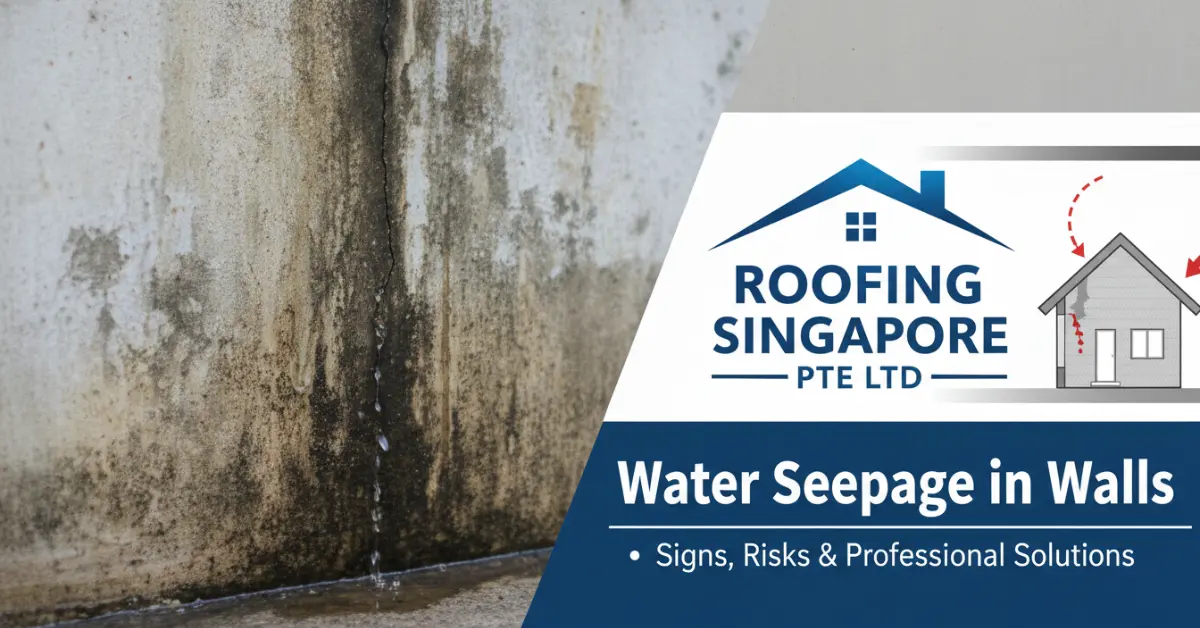
Water seepage in walls is a common yet often overlooked issue in many homes and businesses here in Singapore. It may start as a small stain or a faint damp spot, but over time, it can lead to severe structural damage, mold growth, and compromised air quality.
For homeowners, the risks of neglecting water seepage are substantial. It can weaken the foundation, cause electrical issues, and even threaten the safety of your property. Business owners aren’t immune; water damage can harm the integrity of your premises, resulting in costly repairs and potential downtime.
Identifying water seepage early is crucial. The longer you wait, the more extensive and expensive the damage becomes. The good news? With professional water seepage repair solutions in Singapore, these issues can be fixed efficiently. In this post, we’ll walk you through the signs of water seepage in walls, the risks it poses, and the professional solutions available to protect your property and peace of mind. Don’t wait for the problem to escalate. Act now to prevent costly repairs later.
Common Causes of Water Seepage in Walls
Water seepage in walls is more than just an inconvenience. Left untreated, it can cause significant damage to your property and health. In Singapore’s tropical climate, the high humidity and frequent rain only worsen the issue. As a waterproofing expert with over 20 years of experience, I’ve come across several key causes that lead to water seeping through walls. Let’s take a look at the most common culprits.
Condensation Issues
Humidity is a constant challenge in Singapore. While most homes have air conditioning, many still face issues with excessive moisture in the air, especially in rooms without proper ventilation. This moisture can accumulate on walls, leading to condensation. When warm air meets a cold surface, it results in water droplets on walls commonly seen in kitchens, bathrooms, and poorly ventilated areas.
If not addressed, this condensation can cause water to seep through the walls. Eventually, this can break down the paint, wallpaper, and even the structure of the walls. Proper ventilation systems like exhaust fans can help keep excess moisture at bay, along with dehumidifiers to prevent the chance of water seeping into walls.
Cracks in the Walls
Cracks in the walls are a leading cause, as well. These can happen for a variety of reasons, from foundation settling to poor construction practices. In Singapore, a wet season that alternates between heavy downpours and high humidity causes the wall waterproofing to cede water entry. Especially when the wall is subject to constant rain, even a hairline crack could allow water to seep through.
Cracks can develop over time, as the building settles. In some cases, poor construction quality or the use of subpar materials during the building process can exacerbate the issue. The water that seeps through these cracks can lead to mold growth, peeling paint, and weakened structural integrity. Identifying and repairing cracks early is essential in preventing water from entering and causing further damage.
Damaged Water Pipes
Leaking water pipes hidden within the walls are often an unnoticed source of water seepage. Over time, these pipes can corrode, or their joints may degrade, which will let water slowly leak into the surrounding walls. The water can creep long distances through the pipes, saturating walls and allowing mold and mildew to fester.
In Singapore, many older homes or poorly maintained buildings experience issues with deteriorating plumbing. A study by the National Environment Agency (NEA) shows that the quality of plumbing systems in older buildings often contributes to water seepage problems. Regular inspection and maintenance of pipes are crucial to prevent this issue from worsening.
Leaky Roofs and Roof Plumbing
One of the most common causes of water seepage in walls is a leaky roof. In Singapore, where heavy rains are a frequent occurrence, even the smallest crack in the roof can allow water to enter your home. Water that enters through the roof can seep down the walls, causing damp spots and stains inside your living areas. This is especially problematic for homes with poorly maintained roofs or gutters. Clogged gutters or damaged roofing materials create the perfect pathway for water to travel down the walls, leading to water seepage.
In many cases, homeowners don’t realize that the source of the problem is the roof until it becomes evident on the walls. A study conducted by the Building and Construction Authority (BCA) in Singapore revealed that roof leaks were a major factor contributing to structural and water-related issues in residential buildings. This highlights the importance of regular roof maintenance, especially in a climate prone to frequent rainfall.
Poor Waterproofing
Lastly, poor waterproofing is one of the leading causes of water seepage in walls. A proper waterproofing system is essential for protecting your home from water damage, but not all waterproofing solutions are created equal. Subpar materials or improper installation can leave your walls vulnerable to water infiltration. In Singapore, where rainfall is frequent and intense, the importance of high-quality waterproofing systems cannot be overstated.
Waterproofing solutions involve applying materials like liquid membranes, waterproof cementitious coatings, and sealants that block water from entering the structure. However, if these systems aren’t applied correctly or if cheap materials are used, the water will find a way through. A study conducted by the Building and Construction Authority (BCA) found that many water seepage issues in buildings were a result of poor or improper waterproofing installations.
Signs of Water Seepage in Walls
Water seepage in walls can be a hidden menace that slowly causes damage to your home. As a waterproofing expert with over 20 years of experience, I’ve seen many homeowners in Singapore face this issue. The good news is that spotting the signs early can help you prevent costly repairs. Here are the key signs that you might have water seepage in your walls:
- Visible Stains and Damp Patches
One of the most common indicators of water seepage is the appearance of visible stains or damp patches on the walls. These spots often start as faint discoloration and grow over time, especially during the rainy season. In Singapore’s humid climate, these damp patches can quickly become noticeable. Water marks, usually yellow or brown, are often signs that water has been slowly soaking through the walls. As the moisture spreads, these stains may become larger and more prominent.
- Peeling or Bubbling Paint
Water seepage can also cause your paint to bubble, peel, or blister. When water gets trapped under the paint layer, it can force the paint to separate from the wall. This happens because the paint becomes saturated with moisture, causing it to lose its bond. If you notice areas where the paint is lifting or peeling, water is likely seeping through the wall behind it. It’s important to act quickly, as leaving it untreated can lead to further damage to your walls.
- Mold and Mildew Growth
Excess moisture from water seepage is a perfect breeding ground for mold and mildew. These fungi thrive in damp environments and often appear as dark spots on the walls. Mold and mildew not only damage the aesthetics of your home, but they also pose serious health risks, including respiratory problems. In Singapore, where humidity is high, mold growth can occur rapidly if water seepage is left unchecked. A study by the National Environment Agency (NEA) shows that homes with high humidity levels are more susceptible to mold infestations, highlighting the importance of tackling water seepage early.
- Cracks and Damp Smells
Long-term water seepage can eventually lead to visible cracks in the walls. These cracks occur as the structure weakens from constant exposure to moisture. You might also notice a musty odor in the affected areas. This smell is typically a result of mold, mildew, or stagnant water trapped in the walls. If you spot cracks or experience persistent damp smells, it’s a clear sign that water seepage is at play.
Risks and Consequences of Ignoring Water Seepage
Water seepage in walls may seem like a small, manageable issue, but ignoring it can lead to severe consequences. As a waterproofing expert with over 20 years of experience, I’ve seen firsthand how neglecting water seepage can affect both your home and your health. Let’s dive into the risks and consequences of leaving water seepage unaddressed.
- Structural Damage
The most concerning risk of untreated water seepage is the potential structural damage it can cause. Over time, water slowly weakens the integrity of the walls, making them more susceptible to cracks and disintegration. This is particularly true in Singapore’s humid climate, where moisture can penetrate porous materials like plaster and concrete. If the seepage continues unchecked, it can eventually compromise the strength of the building itself, potentially leading to wall collapses or the need for major structural repairs. A study by the Building and Construction Authority (BCA) highlights that the majority of structural issues in older Singaporean homes are due to water-related problems, including seepage.
- Health Hazards
One of the most dangerous consequences of water seepage is the growth of mold and mildew. Excess moisture trapped inside the walls provides the perfect environment for mold to thrive. These fungi can spread quickly, not just on the walls, but also in the air you breathe. Mold and mildew are known to cause respiratory problems, allergic reactions, and other health issues. In Singapore, where humidity is high, mold growth can escalate rapidly if water seepage isn’t dealt with. A study conducted by the National Environment Agency (NEA) found that mold infestations in homes often lead to increased health complaints, especially among children and the elderly.
- Increased Repair Costs
If left alone, water seepage will cause more significant problems with repairs later on. At first, all you see are maybe a couple of damp spots or flaking paint. Then it escalates. Like a disease, as the water damage spreads, it doesn’t just destroy your walls; it can also ruin your flooring and furniture or even electrical systems. If you don’t fix this damage early, the cost of repair due to water seepage can go through the roof. It is especially so in Singapore, where almost daily rains and humidity can compound the problem: those who procrastinate often find themselves paying bills much bigger than the original repair job.
- Aesthetic Damage
Apart from structural and health issues, water seepage can have an effect on your home’s aesthetics as well. Damp walls can lead to unsightly stains, blistering varnish, and damaged wallpaper. These cosmetic issues can dramatically impact the appearance of your home or workplace, making it look rundown. Water will eventually discolour your interior decor, leaving you with no option but a complete overhaul. In Singapore, where the aesthetics of a home are prized, this can be hugely bothersome for homeowners.
How to Fix Water Seepage in Walls
Water seepage in walls is more than just an eyesore; if left untreated, it can lead to significant damage to your property. As a waterproofing expert with over 20 years of experience, I’ve seen firsthand how early intervention can prevent long-term issues. If you’re dealing with water seeping through your walls, here’s a step-by-step guide on how professionals, like Roofing Singapore Pte Ltd, tackle this issue.
- Professional Water Seepage Repair
The first step in addressing water seepage is a thorough assessment by a professional. Experts will examine your walls, ceilings, and plumbing systems to identify the root cause of the issue. It’s important to understand that water seepage can be caused by various factors, such as a leaky roof, damaged pipes, poor waterproofing, or even cracks in the walls. Professionals use advanced tools to locate the exact source, ensuring that the right solution is applied.
Once the cause is determined, a tailored repair solution is provided. This could involve anything from repairing plumbing to applying specific waterproofing methods. Professional repair is essential, as improper fixes may only mask the issue temporarily, allowing the seepage to return later. In Singapore, where heavy rainfall is common, ensuring a long-term solution is crucial to prevent recurrence.
- Waterproofing Techniques
There are many techniques used for waterproofing and prevent seepages through walls. The most common methods include:
- Waterproof Coatings: These coatings are applied directly to the walls and create a protective layer that prevents water from infiltrating the surface. They’re often used in areas exposed to high humidity, such as bathrooms or basements.
- Waterproof Membranes: Membranes are thin, flexible sheets that are applied to the walls to create a barrier against water. These are often used in areas with more significant water exposure, such as external walls or the lower levels of buildings.
- Sealants: For smaller cracks or gaps, sealants can be used to seal off the point of entry. They’re a quick and cost-effective solution for minor seepage issues.
A study by the Building and Construction Authority (BCA) shows that using high-quality waterproofing membranes significantly reduces the risk of water seepage in buildings, especially in high-rainfall areas like Singapore. This reinforces the importance of using the right waterproofing materials for your home.
- Structural Repairs
If there are visible cracks in the walls or damaged pipes that are causing water seepage, it requires structural repairs. They will typically use a specialized filler material for cracks, which seals the cracked area and prevents further water penetration. If leaking pipes are causing the water seepage, then the damaged plumbing will be replaced or repaired to eliminate the cause of the issue.
Once these issues are addressed, any damage caused by water exposure, such as mold growth or weakened structural components, will also need to be treated. This might involve replacing affected materials or reinforcing weakened walls.
- Aesthetic Damage
Apart from structural and health issues, water seepage can have an effect on your home’s aesthetics as well. Damp walls can lead to unsightly stains, blistering varnish, and damaged wallpaper. These cosmetic issues can dramatically impact the appearance of your home or workplace, making it look rundown. Water will eventually discolour your interior decor, leaving you with no option but a complete overhaul. In Singapore, where the aesthetics of a home are prized, this can be hugely bothersome for homeowners.
By hiring professionals, you also ensure that your home is in line with Singapore’s building standards, which is crucial when it comes to protecting your property in the long run.
Why Choose Roofing Singapore Pte Ltd for Water Seepage Repair?
When it comes to water seepage repair in Singapore, Roofing Singapore Pte Ltd stands out as a trusted expert with over 20 years of experience. With a proven track record in both water seepage and waterproofing services, we’ve helped countless homeowners protect their properties from water damage. Our extensive knowledge and hands-on experience ensure that your home is in good hands.
We only use the best materials and waterproofing solutions. We offer long-lasting solutions using cutting-edge procedures such as waterproof coatings, membranes, and sealants. From small cracks to extensive water damage, we stop water seepage at its source with proven methods.
Choosing Roofing Singapore Pte Ltd means choosing a company that is dedicated to ensuring the safety and durability of your home. When it comes to water seepage repair in Singapore, we provide the expertise, materials, and customer service you deserve. Let us help you protect your property today!
Conclusion
Water seepage in walls is not something to ignore. Left unchecked, it can lead to severe structural damage, health issues, and costly repairs. As we’ve discussed, early detection and timely repairs are key to protecting your home from further damage. Whether it’s through cracks, leaky roofs, or damaged pipes, addressing water seepage early can save you both time and money in the long run.
Hiring a professional for water seepage repair in Singapore ensures the issue is thoroughly assessed and resolved with the right materials and techniques. As highlighted by a study from the Building and Construction Authority (BCA), improper repairs or neglecting the problem can lead to recurring issues and even more expensive fixes later on.
At Roofing Singapore Pte Ltd, we bring over 20 years of expertise in water seepage repair and waterproofing solutions. Our team uses only the highest-quality materials to provide durable, long-lasting results. Don’t let water seepage affect your home. Contact us today for a comprehensive inspection and expert repairs.
FAQs
What Are The Reasons of Water Seepage in Walls?
The most prevalent reasons for water seepage include leaking roofs, cracks in the walls, broken pipes and joints in plumbing lines, poor waterproofing, and high condensation. In the humid climate in Singapore, combined with small gaps allowing water to enter and then travel through spaces within the walls, and damaging slowly over a number of years.
How do I check my walls for water seepage?
Look for visible indications such as damp patches, water stains, bubbling paint, or peeling wallpaper. You can find some mold or mildew growing, musty smells emitting, or cracks appearing on your wall, then it’s time to investigate further. These are usually telltale signs of water leaking into your walls.
Is water seepage dangerous?
Yes, it can be. Untreated water seepage can erode your walls and the core of your home, resulting in expensive repairs later on. It also makes the ideal breeding ground for mold and mildew, which can lead to health issues like respiratory problems and allergies.
What do professionals do to resolve water seepage?
The waterproofers begin with a proper assessment of the source where seepage occurs. These types of remedies may include fixing roof leaks, sealing wall cracks, replacing piping that has affected the area, or installing a high-quality waterproofing coating or membrane around the area. Repairs done by professionals make sure the issue is resolved properly, and that harm won’t recur.
How do I stop water from seeping in further?
Regular maintenance is key. These range from checking for leaks in your roof, inspection of plumbing, sealing cracks found in the walls, and ensuring that proper waterproofing is being performed. It is even more crucial to follow up on these, as the weather in Singapore may become unpredictable and lead to possible water damage.