
A concrete tile roof is durable and well-suited to Singapore’s hot, wet climate. But heavy rain, high humidity, and everyday wear can cause leaks over time. This article will help the homeowners, DIYers, and maintenance staff in Singapore to fix concrete tile roof repair in a calm, practical way.
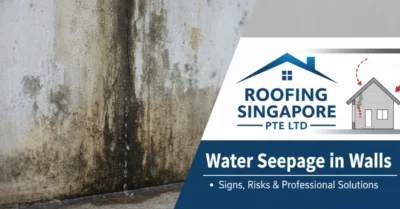
If you see a dark stain on the ceiling, notice a strong musty or sharp odour, or see water dripping during heavy rain, those are signs your roof is leaking. A concrete tile roof leak isn’t just a small problem. It can cause significant water damage, mould growth, or major repairs, all of which can be expensive. Tropical rain and humidity make the roof work harder, increasing the risk of leaks.
Understanding the common causes of these leaks is the first step toward a solution. This is why timely repairs are crucial to protect your home’s integrity and your family’s health. This guide will walk you through identifying and fixing a leaking concrete tile roof, offer tips for choosing the right materials for our climate, and help you decide when it’s best to call in the professionals.
Causes of Concrete Tile Roof Leaking in Singapore
Many people in Singapore like concrete tiles because they are durable and long-lasting. Even the most durable stuff can break, though. Leaks in concrete tile roofs can have multiple causes, often exacerbated by our specific climate.
Common Causes of Leaks
- Cracked or broken tiles: When heated, tiles expand. As they cool, they shrink and can develop small cracks. If a tree branch or tool strikes a tile during repairs, it can crack or break the tile. A cracked tile lets rainwater seep in more easily.
- Dislodged or Slipped Tiles: Strong winds accompanying thunderstorms can dislodge or slip tiles out of position. This exposes the underlayment, which is not designed for direct exposure to the elements, allowing water to seep underneath.
- Deteriorated Underlayment: The waterproof membrane beneath the tiles is your roof’s secondary defence. Over time, high temperatures and constant moisture can make this material brittle and prone to tearing, reducing its water-repellent performance.
- Clogged Gutters and Valleys: Leaves, dirt, and other debris can accumulate in gutters and valleys. This buildup dams water, forcing it to pool and seep under tiles and through tiny gaps in the roofing system.
- Failed Flashing: Flashing is the metal stripping used to seal joints around vents, chimneys, and skylights. Corrosion, improper installation, or sealant failure can create openings for water to penetrate these vulnerable areas.
Your Step-by-Step Guide to Concrete Tile Roof Repair
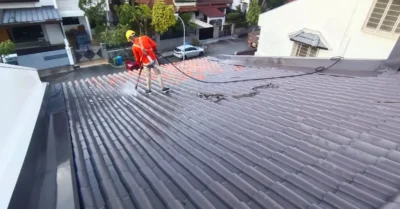
If you take the necessary safety precautions, it can actually be a reasonably straightforward process to fix this minor leak yourself! Before you set off, always check the weather forecast. Never hop on a wet or windy roof.
Step 1: Pinpoint the Leak’s Source
The spot on your ceiling is rarely directly below the actual roof leak. Water can travel along rafters and insulation before it becomes visible. Start your search in the attic or loft space. Look for water stains, mould, or damp insulation on the underside of the roof deck. Once you have a general idea of the location, you can safely head onto the roof to find the exact entry point.
Step 2: Gather Your Tools and Materials
Having everything you need on hand will make the job safer and more efficient. For a typical concrete tile repair, you will need:
- Safety Gear: A sturdy ladder, non-slip footwear, a safety harness, and gloves.
- Replacement Tiles: Obtain tiles that match your existing ones in size, shape, and colour.
- Tools: A pry bar or trowel, hammer, and a wire brush.
- Materials: Roofing cement or a high-quality polyurethane sealant suitable for outdoor use. A tube of sealant is often easier to apply than a tub of cement.
Step 3: Remove the Damaged Tile
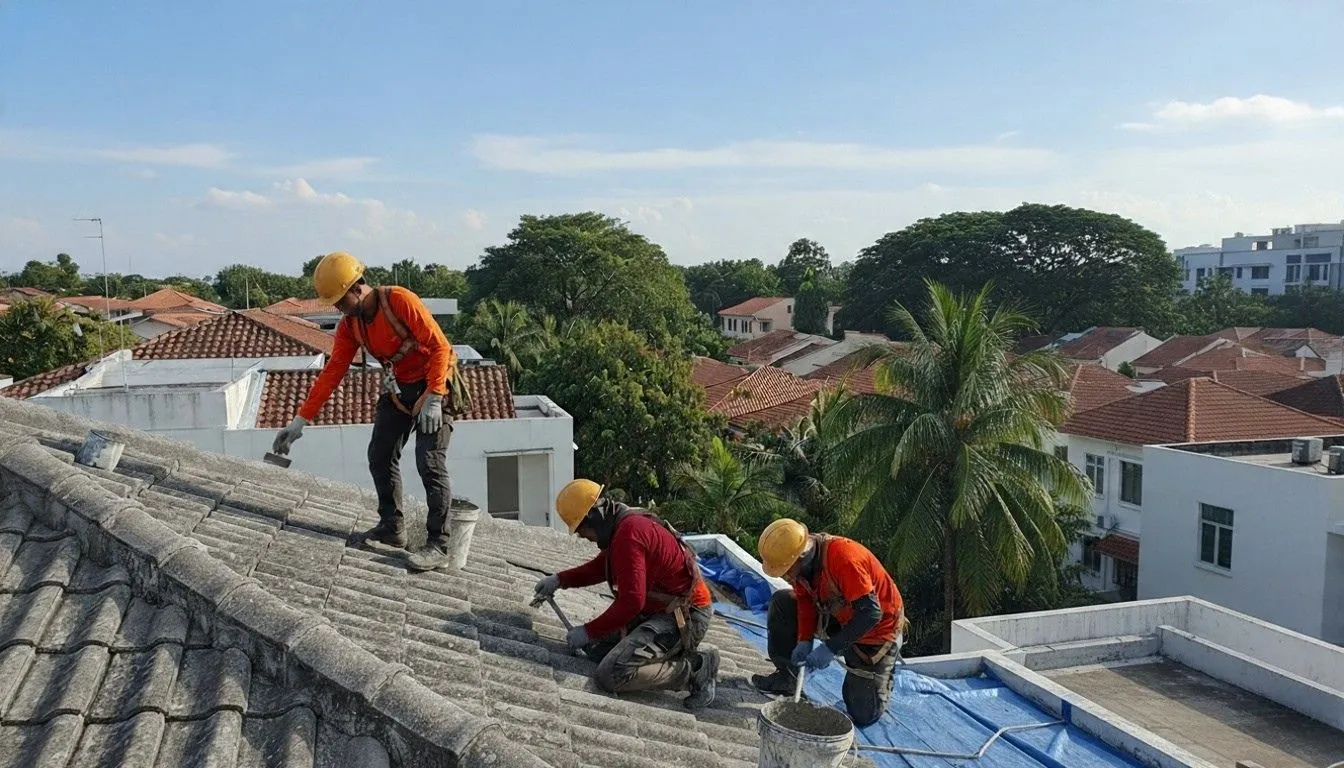
Gently lift the tile directly above the broken one using a pry bar. This will provide the clearance you need to work. Use the pry bar to lift the damaged tile and slide it out carefully. If it was secured with a nail, you may need to pry the nail out first. Be patient and avoid using excessive force, as you could crack the surrounding tiles.
Step 4: Clean the Area and Install the New Tile
Once the old tile is removed, use a wire brush to clean any debris from the underlayment and surrounding tiles. Check the underlayment for any tears or holes. If you find minor damage, you can patch it with a piece of self-adhesive waterproofing membrane. You can also use a generous application of roofing sealant.
Now, carefully slide the new tile into place, and ensure it interlocks correctly with the adjacent tiles. It should sit flush and be securely positioned.
Step 5: Seal and Secure
For added protection against Singapore’s heavy rains, apply a bead of polyurethane sealant under the edges of the newly installed tile and any surrounding tiles that may have been disturbed. This creates a watertight barrier. If the original tile was nailed down, secure the new one in the same manner. Avoid over-tightening the nail, as this can crack the new tile.
Maintaining Your Roof to Prevent Future Leaks
Proactive maintenance is the best way to avoid emergency repairs. By taking a few simple steps, you can extend the life of your concrete tile roof and prevent future leaks.
- Conduct Regular Inspections: At least twice a year, and after every major storm, safely inspect your roof for any cracked, broken, or slipped tiles.
- Keep Gutters Clean: Ensure your gutters and downspouts are free of leaves and debris. Remember, a clean gutter allows rainwater to flow away from your roof efficiently.
- Trim Overhanging Branches: If you have trees over your roof, cut back tree limbs that hang over to prevent damage from falling branches and reduce debris accumulation.
- Schedule Professional Servicing: Consider hiring a roofing contractor for an annual inspection and maintenance. They can identify potential problems early and perform preventive maintenance, saving you money over time.
By staying vigilant and addressing minor problems before they escalate, you can ensure your concrete tile roof continues to protect your home for decades to come.
Professional vs. DIY: Costs in Singapore
Here, we will discuss the cost of hiring a professional versus repairing it yourself. Minor repairs, like replacing 2-3 tiles, can be a DIY weekend project. Still, larger issues require professional help, especially for high-rise private property, where safety and regulatory requirements are strict.
|
Service Type
|
Estimated Cost (SGD)
|
|
Minor Tile Replacement
|
$150 – $400 |
|
PU Injection (per crack)
|
$400 – $800 |
|
Full Roof Waterproofing Coating
|
$1,500 – $5,000 |
|
Complete Re-roofing
|
$15,000 – $40,000+ |
When to Call a Professional Roofing Contractor
While DIY repairs can be effective for minor issues, some situations require professional expertise. You should call a licensed roofer if:
- The leak is extensive, or you cannot find the source. Professionals have the tools and experience to perform detailed inspections and locate hidden leaks.
- Multiple tiles are damaged. A widespread problem may indicate a larger, systemic issue with your roofing system.
- You suspect underlayment or structural damage. Replacing the underlayment or repairing rafters is a complex job that should be left to experts.
- You are not comfortable working at heights. Safety should always be your top priority. Professional roofers are trained and insured to work safely on roofs.
If you follow the right approach, you can repair a leaking concrete tile roof in Singapore. First, you have to find the source of the leak, whether it’s the tiles, flashing, or gutters. Then, you have to make repairs where needed and replace any broken tiles. Regular inspections, gutter cleaning, and resealing will help extend the roof’s service life. If unsure, hire a licensed roofer to ensure proper concrete tile roof repairs and to ensure compliance with local codes. You can contact us for a roof leak repair service. Call Roofing Singapore Pte Ltd for a free inspection and quotation.