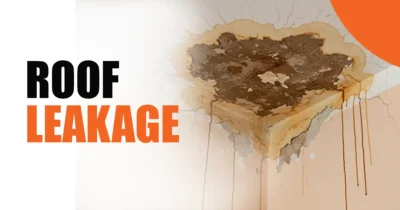

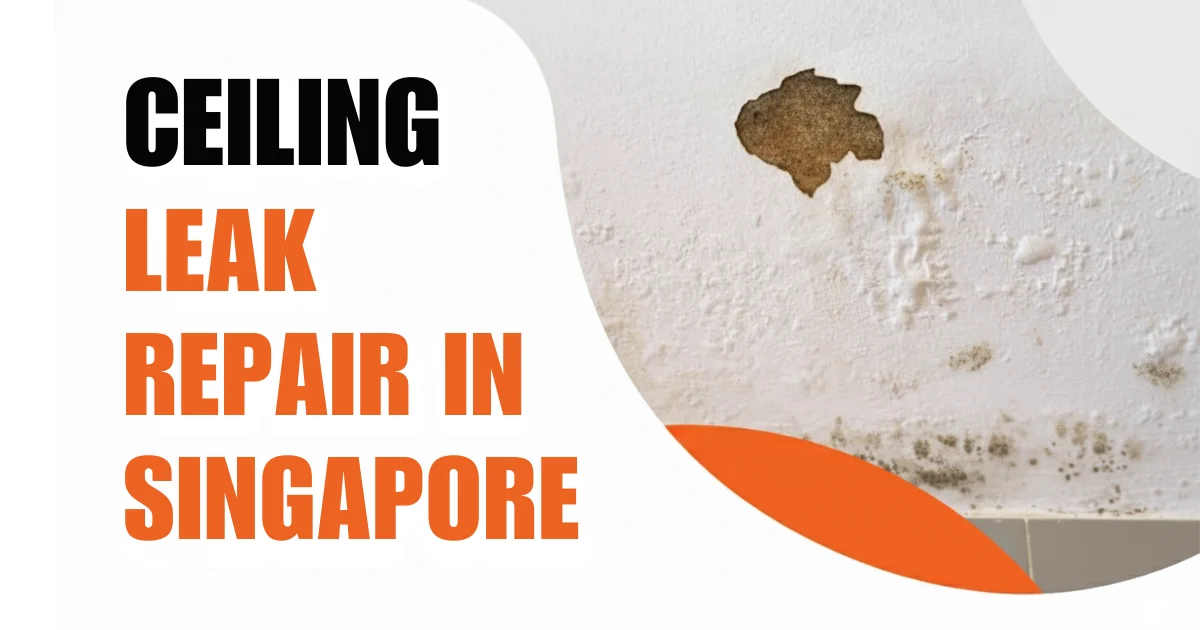
Leaking water on your ceiling is not only a pain but may also cause a major disaster in your house. Ceiling leaks are one of the problems that homeowners in Singapore have to grapple with due to the tropical weather, which brings heavy rainfall and high humidity. Whether it is water stains or dripping water, it is essential to address the situation at an early stage to avoid incurring costly repairs in the future.
As an experienced waterproofing expert with over 20 years in the industry, I’ve seen how ceiling leaks can disrupt everyday life. In fact, studies in Singapore have shown that water seepage is one of the leading causes of structural damage in local homes. The Singapore Civil Defence Force (SCDF) highlights that prolonged exposure to water can weaken ceiling structures, leading to mould growth and potential health risks.
But why does water leak from your ceiling in the first place? There are various causes, ranging from clogged gutters to poor waterproofing materials. And while it might seem like a small issue, if left unchecked, a ceiling leak can lead to much bigger problems. That’s why it’s essential to address ceiling leaks quickly. In this blog post, we’ll dive into the main causes of ceiling leaks in Singaporean homes and share effective fixes to keep your home safe, dry, and protected from the elements.
Common Causes of Water Leaking from the Ceiling
If you see evidence of water stains or drips on your ceiling, you must get to the bottom of this issue quickly. In Singapore, ceiling leaks can originate from various places, so knowing the source will help you identify the problem and what to do about it. Here’s a look at the most common causes of leaking ceilings.
- Roof Leaks: In Singapore, roof damage is one of the leading causes of ceiling leaks. Roofs, particularly in older buildings, are exposed to the elements for years. Rain, high winds, and extreme heat can break down roofing materials, leaving cracks and gaps that allow water in. According to a study conducted by the Building and Construction Authority (BCA), roof leaks are another general concern for older buildings in Singapore. If left alone, roof leaks can lead to more serious problems, such as structural damage, mould growth, or more serious waterproofing issues.
- Plumbing Issues: Plumbing problems are another common cause of ceiling leaks. Faulty pipes or loose connections can cause leaks that go up the walls and into the ceiling. These leaks can, over time, cause damage to the ceiling structure, leading not just to water stains but to potential long-term damage to the home. The water that leaks from pipes (which have lines under pressure) is far more likely to sweep between walls and through ceilings, causing major household problems.
- Air Conditioning Issues: If you notice water stains around your air conditioners, it may not be just condensation; it could indicate a bigger issue. Air conditioning leaks often occur due to blocked drainage or improper installation. It is a must in Singapore’s hot, humid weather, and most households rely on these systems to stay comfortable. But poor maintenance or incorrect installation can quickly transform an air conditioning unit into a water damage generator.
- Improper Waterproofing: Another common issue leading to ceiling leaks is poor or aging waterproofing materials. In many Singaporean homes, waterproofing is essential to protect against the heavy rainfall and high humidity. However, over time, waterproofing materials can degrade, especially in older buildings. In Singapore, heavy rainfall and a humid climate place severe stress on waterproofing materials. Water leaks are among the most common causes of building damage, and research by the Singapore Institute of Building (SIB) has revealed that old or improperly applied waterproofing systems are among the prime culprits behind such leaks in commercial and residential buildings.
- Other Causes: While roof leaks, plumbing issues, air conditioning malfunctions, and improper waterproofing are the main culprits, other, less common causes can also lead to ceiling leaks. Cracks in the ceiling itself can allow water to seep through, especially during storms or heavy rain. Additionally, damaged seals around windows or doors can allow rainwater to enter the walls and ceiling. External weather events, such as strong winds or falling debris, can also damage the roof or ceiling, leading to leaks. Singapore’s tropical climate, with its frequent thunderstorms and high humidity, increases the likelihood of such external damage.
Ceiling leaks can result from a variety of sources, including roof damage, faulty plumbing, or poor waterproofing. If you’re experiencing water leaking from your ceiling, it’s essential to identify the cause early. Whether it’s a roof leak, plumbing issue, or air conditioning problem, getting the right repairs done quickly can prevent more significant damage down the road. If you’re in Singapore, where the weather can be unpredictable, regular maintenance and inspections can save you from the stress and expense of major ceiling repairs.
How to Identify Ceiling Leaks
Ceiling leaks can be tricky to detect at first, but there are clear signs to look for that can help you spot the problem early. If you’ve noticed water stains or damp patches on your ceiling, that’s usually the first red flag. You might also see peeling paint or wallpaper bubbling up from moisture beneath.
In some cases, the ceiling might feel damp to the touch or even develop mould growth. If you see or smell mould, it’s a strong indication that water is leaking from somewhere.
To avoid missing the problem at an early stage, inspect your ceiling after heavy rain or a storm. Research conducted by the National Environment Agency (NEA) reveals that Singapore’s tropical climate makes it a particularly high-risk area for ceiling leaks if left untreated, due to the prevalence of rainfall and humidity.
Once you’ve noticed signs of a ceiling leak, it’s time to detect the source of the problem. The water could be seeping in from various sources, such as pipes, the roof, or even your air conditioning system. This is where professional tools come in. Waterproofing experts often use moisture meters and thermal imaging cameras to locate the leak’s origin. These tools help identify water infiltration in walls or ceilings without removing large sections of the structure.
The Risks of Ignoring Ceiling Leaks
A leak in a ceiling may seem like a small problem at first, but in the long run, it can cause serious damage to your house. Structural damage is likely one of the most serious risks of ceiling seepage. Water may compromise the foundation, beams, and insulation, leading to long-term problems that will affect the integrity of your property.
This implies that a minor leakage today might become a very expensive maintenance venture tomorrow. An example of this is a study conducted by the Building and Construction Authority (BCA) in Singapore that reported that, in the long run, water can penetrate structural components, causing costly repairs and even compromising safety.
In addition to the structural issues, health risks are also to be considered. When water seeps into the ceiling, it creates an ideal environment for mould to thrive. The humid environment in Singapore allows mould to grow rapidly, spreading through the walls, ceilings, and remote corners.
Mould spores may lead to respiratory problems, particularly in children and older people, resulting in complications such as asthma and allergic reactions. The Singapore Health Promotion Board (HPB) notes that long-term mould exposure may cause serious health effects, so it is all the more important to address ceiling leaks immediately.
Lastly, ignoring ceiling leaks now means more expensive repairs later. What might start as a small, manageable issue can escalate into a major headache, requiring extensive repairs. Getting a professional ceiling leak repair early can save you from the shock of hefty costs down the road.
How to Fix Ceiling Leaks in Singapore
When it comes to fixing ceiling leaks, it’s important to know when to take matters into your own hands and when to call in the professionals. While minor ceiling leak repairs might seem manageable, more serious issues often require professional expertise. In Singapore’s unique tropical climate, water leaking from the ceiling can quickly become a bigger problem, making professional help the safer option.
DIY vs. Professional Help
If you’re experiencing a small, visible leak, such as a mild stain or damp spot, a DIY solution may be all that’s needed. Sealing small fissures or utilising waterproof sealants temporarily can prevent the leak from worsening. But DIY isn’t always the best option for more involved situations, particularly when the cause of the leaky water damage is hidden pipes, a damaged roof, or aging waterproofing material.
In these cases, it’s always better to call in a professional. Roofing professionals and waterproofing experts have the right tools and experience to detect the root cause of the leak. In fact, according to a study by the Singapore Civil Defence Force (SCDF), many ceiling leaks in older buildings are caused by hidden structural damage that DIY fixes can’t effectively address.
Why Choose Roofing Singapore Pte Ltd for Ceiling Leak Repairs?
When it comes to ceiling leak repair in Singapore, Roofing Singapore Pte Ltd stands out as a trusted expert. With over 20 years of experience handling ceiling leaks and providing waterproofing services, we’ve built a solid reputation for delivering top-notch solutions that homeowners can rely on.
We understand how frustrating and disruptive it can be when water leaks from the ceiling. That’s why we approach every project with the expertise and precision needed to get your home back to normal as quickly as possible. Whether it’s a minor leak or a more complex issue, our team has the knowledge to tackle it all.
Our clients have consistently praised our attention to detail and quality of service. For instance, a recent customer in the heart of Singapore reached out to us after months of struggling with persistent ceiling seepage. After our thorough inspection and expert repairs, the leak was sealed, and the homeowner shared that they were impressed by our team’s professionalism and speed.
At Roofing Singapore Pte Ltd, we don’t just fix leaks; we provide lasting solutions that prevent future issues. Our waterproofing services are designed to keep your property safe from the unpredictable Singapore weather, offering you peace of mind for years to come. When you choose us for ceiling leak repairs, you’re choosing experience, reliability, and unmatched quality.
Conclusion
Ceiling leaks can be caused by a variety of factors, from roof damage and plumbing issues to poor waterproofing. While minor leaks might seem manageable, ignoring them can lead to serious structural damage, health risks, and expensive repairs down the line. It’s crucial to act quickly when you notice signs of water leaking from the ceiling to prevent further complications.
At Roofing Singapore Pte Ltd, we bring over 20 years of expertise in ceiling leak repair and waterproofing services. Our team is equipped with the tools and knowledge to accurately diagnose and fix any leak, ensuring your home remains safe and dry. Whether you’re dealing with a small drip or significant ceiling seepage, we’ve got you covered.
Don’t wait for the problem to worsen. Contact us today for a professional ceiling leak inspection and repair. We offer free consultations, so you can get the expert advice you need without any commitment. Reach out to us now, and let’s keep your home leak-free for years to come! Call us now, +6569081270.
FAQs
What are the common causes of water leaking from my ceiling in Singapore?
Water leaking from the ceiling can happen for several reasons. Common causes include roof leaks, faulty plumbing, air conditioning issues, or poor waterproofing materials. Singapore’s tropical climate with heavy rain and high humidity can accelerate these issues, making regular maintenance essential to prevent ceiling seepage.